
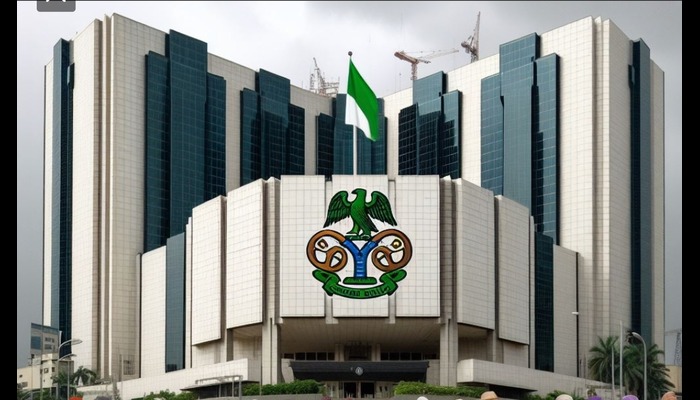
Nigeria’s central bank is formalising its shift toward an inflation-targeting framework that will aim to slow price growth to 13% by 2027.
Under the phased plan, the central bank will target 16.5% inflation in 2026, with a tolerance band of plus or minus two percentage points, compared with 18.5% this year, the Central Bank of Nigeria said in its 2026 macroeconomic outlook released Tuesday. The bank expects price gains to average about 21% this year.
The shift toward inflation targeting mirrors peers such as Ghana and South Africa, which used similar transitions to stabilize prices and achieve single-digit inflation. The move is the latest in a series of actions taken since President Bola Tinubu took office in 2023. His administration has lifted currency controls, scrapped fuel subsidies and plans to roll out a new tax regime from Jan. 1.
“The initial phase features transitional inflation targets designed to enhance policy credibility,” the central bank said in the report, adding that the framework will serve as a transparent medium-term anchor while institutional capacity is strengthened.
Read also: IMF lauds CBN, urges robust policy tools ahead of inflation targeting
The bank forecasts that the naira will average 1,400 per dollar in 2026, from about 1,451, supported by a more efficient foreign-exchange market, stronger capital inflows and a current-account surplus.
Foreign-exchange reserves are estimated to rise about 13% to $51 billion next year while crude oil production — minus condensates — is assumed at about 1.5 million barrels per day.
Read also: Nigeria’s quiet economic leak – The silent killer: How unrecovered debt is undermining growth even more than inflation is
Higher-than-expected increases in pre-election spending ahead of polls in 2027, and extra-budgetary outlays could pose a risk to the inflation outlook for 2026, according to the document.