
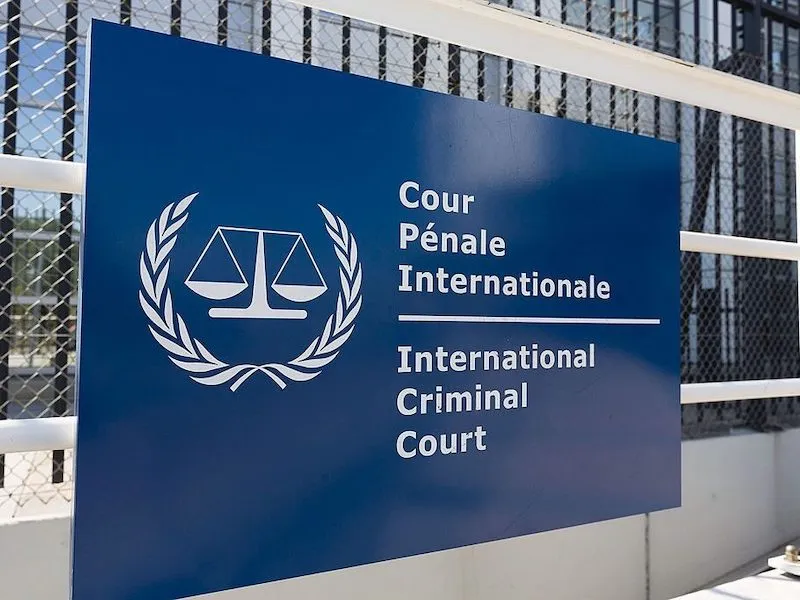
Niger Republic has taken a major step toward severing ties with the International Criminal Court (ICC), after the tribunal confirmed receiving the country’s official “instrument of withdrawal,” formalizing a move its military government has threatened for nearly a year.
The notification, submitted to the United Nations on June 18, 2026, places Niger among only three countries in history to initiate withdrawal from the Hague-based court, joining Burundi and the Philippines.
Under the provisions of the Rome Statute, the withdrawal process requires a 12-month transition period, meaning Niger’s departure will officially take effect on June 18, 2027.
In a strongly worded statement explaining the decision, Niger’s military-led government accused the ICC of long-standing discrimination against African states, arguing that the institution had drifted away from its original mission.
“While the court had raised great hopes among peoples who cherish peace and justice, it has been misused and exploited. It has become an instrument of neo-colonialist repression practising selective justice,” the junta stated.
The ICC responded swiftly from The Hague, expressing concern over what it described as growing cracks in the international justice system. However, the court emphasized that Niger’s withdrawal would not shield the country from its legal obligations in the short term.
“While joining or withdrawing from a treaty remains a sovereign right of States under international law, we regret any decision to depart from the collective effort to end impunity for the most serious international crimes. Niger remains bound by all court obligations during this one-year transition,” the court said.
Niger’s decision also signals a broader geopolitical shift in the Sahel region. Since General Abdourahamane Tiani assumed leadership, the country has steadily moved away from its traditional Western allies. After cutting defense ties with European partners and exiting the Economic Community of West African States (ECOWAS), Niger’s withdrawal from the ICC further strengthens its alignment with Mali and Burkina Faso under the newly formed Confederation of Sahel States.
The alliance has increasingly deepened security and defense cooperation with Russia, reshaping regional power dynamics.
Although Mali and Burkina Faso have echoed anti-ICC sentiments in the past, the court declined to disclose whether similar withdrawal requests had been submitted by either nation.
Despite the planned exit, the ICC stressed that any alleged war crimes or human rights violations committed in Niger before June 18, 2027, will remain under its jurisdiction.
... Niger Republic Submits Withdrawal from ICC, Exit to Take Effect June 2027 ... Naijaonpoint.