
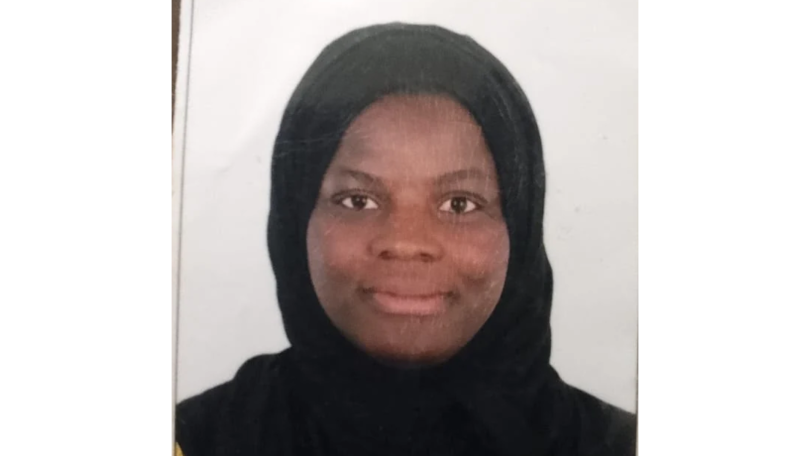
A Nigerian woman, identified only as Victoria, who was sold by Libyan police officers to a facility known as Oshofana, has reportedly suffered further abuse, intimidation and torture after SaharaReporters exposed how she was allegedly handed over and held for 5,000 Libyan dinars.
Victoria, who had earlier sent desperate messages seeking help following her arrest, was allegedly cut off from phone communication, moved to an undisclosed location and subjected to further mistreatment after SaharaReporters published its investigation into her ordeal.
Sources close to her told SaharaReporters that the police became increasingly hostile towards her after the report was published, restricting her access to mobile phones and making it difficult for her to communicate with people outside the facility.
Her sudden disappearance from communication raised fresh fears that she might have been deliberately isolated to prevent her from seeking assistance or revealing further details about her alleged detention.
However, in a dramatic development, Victoria has now managed to re-establish contact with the people who had previously been trying to secure her release.
Messages obtained by SaharaReporters show that she immediately explained why she had been unable to communicate and appealed for urgent assistance.
“Good evening ma, it’s me Victoria. I wasn’t able to see any phone, that is why I have not messaged you. Please, how far?” she wrote.
Her message suggested that she had been unable to access a phone for an extended period, leaving her without a reliable means of contacting anyone outside her immediate environment.
In another desperate message, Victoria disclosed that someone had visited the place where she was being held and pleaded with the contact to arrange for someone to come and secure her release.
“The person came here today. Please, I will send you the location of the place so you can give someone to come over and bail me out,” she wrote.
The message was followed by her sharing her current location, which placed her around Zawiya District in Libya.
Sources said Victoria had also narrated how she was allegedly tortured and treated like a slave, describing the conditions she had been subjected to since the earlier report brought attention to her situation.
The sources expressed concern that the alleged mistreatment had continued despite the public exposure of her case, adding that she remained desperate to escape from the location.
Her latest appeal has renewed fears for her safety, particularly because she had previously told the source that police officers allegedly handed her over to Oshofana and demanded 5,000 Libyan dinars for her freedom.
SaharaReporters had earlier reported that Victoria was arrested on October 19, 2026, while reportedly trying to earn money to survive in Libya as she awaited her return to Nigeria.
A Nigerian advocate who first alerted SaharaReporters to the incident said the officers demanded her passport during the arrest.
When she presented her work permit, locally known as “Pataka”, the officers allegedly tore the document into pieces in front of her.
She was subsequently taken to Oshofana, where she reportedly said she was told to pay 5,000 Libyan dinars to secure her freedom.
In her initial distress message, Victoria had written: “Police people sell me inside Oshofana please help me out.”
She also explained that she was borrowing another person’s phone to communicate and feared that she would lose contact with the source once the phone’s owner left.
“I borrow someone phone and if the person leave I will not be able to talk to you again,” she said.
SaharaReporters also obtained an audio recording allegedly sent secretly by Victoria during the initial incident, in which she appealed for assistance while speaking in a fearful and subdued voice.
The source subsequently lost contact with her, heightening fears about her whereabouts and safety.
Her latest messages now provide a disturbing indication of the difficulties she continues to face and her determination to find a way out.
The case comes amid growing concerns about the safety of Nigerian and other African migrants in Libya, where reports of arrests, hostility, exploitation and threats against foreign nationals have created an atmosphere of uncertainty.
As previously reported by SaharaReporters, Nigerians living and working in different parts of Libya had expressed fear following the circulation of warnings demanding that migrants, particularly Nigerians and other Africans, leave the country before October 1, 2026.
Several Nigerians told SaharaReporters that landlords had allegedly asked them to vacate their apartments, while some Libyan employers and colleagues warned Nigerian workers not to report to work amid fears of possible attacks and arrests.
One Nigerian worker had said: “My Libyan colleagues told me not to come to work tomorrow. They told me that because of what is happening, I should stay where I am and not come out. They said I should be very careful.”
Another Nigerian resident said the warnings had extended to landlords, with some allegedly asking Nigerian tenants to find alternative accommodation before the stated deadline.
The latest development involving Victoria raises urgent questions about the conduct of the Libyan police and the protection available to vulnerable Nigerian migrants.