
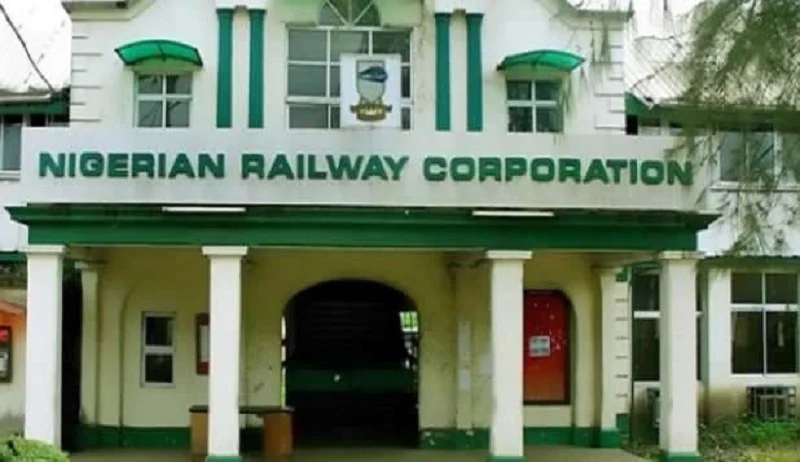
The Nigerian Railway Corporation (NRC) has formally conferred a Permanent Operating Licence upon the Lagos State Government, a landmark development that signals a profound shift in Nigeria’s rail transport landscape. This historic decision, occurring after 128 years of the NRC’s exclusive dominion over the nation’s railway operations, transitions the sector from a state monopoly to a more collaborative and regulated multi-operator framework.
The licence, officially granted through the Lagos Metropolitan Area Transport Authority (LAMATA), empowers the Lagos State Government to operate rail services on shared corridors under the existing Track Sharing Agreement. Crucially, it also lays the groundwork for the state to develop and manage other rail systems, aligning with global best practices in urban mobility and infrastructure development.
Dr. Kayode Opeifa, Managing Director of the NRC, described the event as a watershed moment, underscoring the transition from a singular operator model, which has been in place since 1898, to an environment that encourages multiple entities within a regulated system. He emphasised that this move does not diminish the NRC’s statutory responsibilities but rather expands the operational horizon by embracing a more inclusive governance structure.
This permanent licence represents a significant milestone in the enduring partnership between the NRC and the Lagos State Government, a collaboration focused on modernising rail transportation and enhancing urban mobility. The foundation for this partnership was laid in April 2012 when former President Goodluck Jonathan approved the transfer of two federal rail tracks to Lagos State, facilitating the ambitious Lagos Rail Mass Transit Red Line project. This line commenced passenger operations on October 15, 2024, following its inauguration by President Bola Tinubu.
Opeifa recalled that the NRC had previously issued a temporary operational licence to Lagos State, enabling the implementation of the Track Sharing Agreement while the Red Line’s operational performance was rigorously assessed. The permanent licence signifies the successful completion of this evaluation, formally granting LAMATA the rights and obligations to operate services on the shared corridor, in strict adherence to the Track Sharing Agreement. Furthermore, the licence authorises the Lagos State Government to operate additional rail systems in compliance with international standards. The collaborative efforts have also extended to personnel training and capacity development for Red Line operators, highlighting the tangible benefits of inter-institutional cooperation.
The NRC MD commended the Lagos State Government for its substantial and sustained investment in public transportation, particularly within the rail subsector. He noted that the acquisition of rolling stock and ongoing infrastructure development are clear indicators of strong political will and strategic long-term planning. Opeifa expressed appreciation for Lagos State’s confidence in the NRC and its commitment to the partnership, acknowledging that modern rail infrastructure development demands foresight, significant capital, and unwavering political will – qualities consistently demonstrated by the state.
He reiterated that rail transportation remains the cornerstone of efficient mass transit in major global cities. Continued investment in this sector, he argued, will yield safer, more reliable, and environmentally sustainable transportation solutions, while simultaneously alleviating the immense pressure on Nigeria’s congested road networks. Opeifa urged other state governments to follow Lagos’s lead by investing in railway infrastructure and services, thereby complementing the Federal Government’s national rail revitalisation efforts. He posited that nationwide expansion of rail transportation would reduce highway congestion, lower logistics costs, improve passenger mobility, stimulate industrial and commercial activities, and ultimately accelerate national economic growth. He also extended his gratitude to the NRC assessment officials for their professionalism and diligence in conducting the rigorous operational evaluations that led to the licence issuance.
Mrs. Abimbola Akinajo, Managing Director of LAMATA, described the permanent operating licence as the culmination of extensive regulatory assessment and close collaboration with the NRC. She stated that this approval will enable LAMATA to optimise operational windows on the Red Line corridor, leading to more frequent train services and increased passenger capacity. Akinajo confirmed that the certification process was exhaustive, with Lagos State meeting the NRC’s stringent operational requirements. She highlighted the professional and focused approach of both the NRC and LAMATA teams, noting that Lagos was the natural first recipient due to its proactive engagement.
Akinajo characterised the approval as a significant milestone for both Lagos and Nigeria’s rail industry, anticipating that it will foster greater participation from sub-national governments and create opportunities for developing the nation’s rail workforce. She expressed optimism that other states will emulate Lagos, providing their residents with enhanced transportation options and contributing to an integrated transport system for Lagos State. LAMATA is targeting a substantial expansion of Red Line operations, with plans to increase daily services to 24 by the fourth quarter of 2026, contingent on the delivery of additional rolling stock. Each new train set is expected to carry at least 2,000 passengers per trip, significantly easing commuter traffic during peak periods and improving service reliability. Currently, LAMATA operates 94 daily trips on the Blue Line and will continue its close collaboration with the NRC to expand rail services, offering faster, safer, and more reliable transportation to millions of Lagos residents.
... Lagos Secures Permanent Rail Operating Licence, Ushering in New Era of Multi-Operator Rail Governance ... Naijaonpoint.