
The Initiative for Grassroots Advancement in Nigeria (INGRA) has renewed its call on the Kogi State Government to urgently invest in affordable mass transportation, reliable public water supply, and environmental sanitation, describing the three sectors as critical to improving the daily lives of citizens.
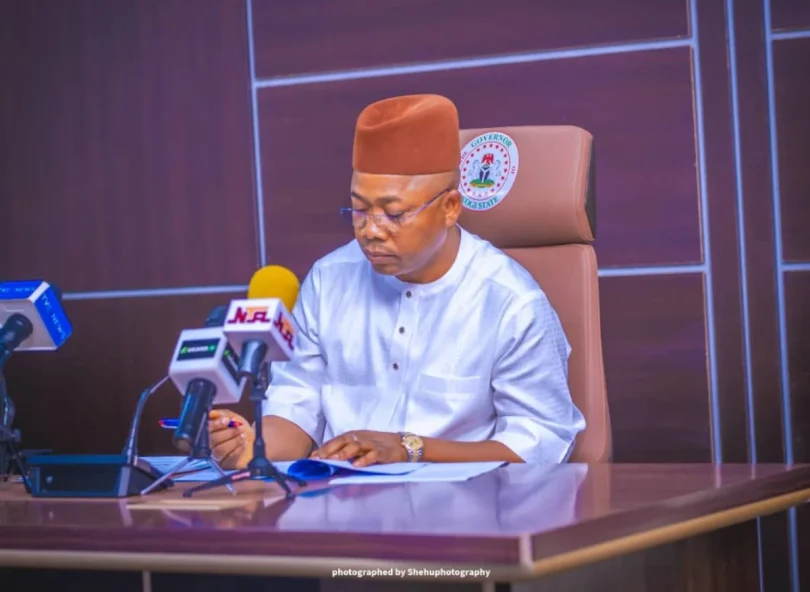
In a press release signed by its executive director, Hamza Aliyu, on Tuesday, the civil society organization said the administration of Governor Ahmed Usman Ododo must translate the objectives of the Kogi State Development Plan into tangible benefits for residents across the state.
According to INGRA, affordable transportation, access to clean water and a healthy environment are basic public services that should not be treated as luxury projects.
The organisation noted that workers, students, traders and rural dwellers continue to face high transportation costs, while many households still depend on expensive water vendors and contend with poor sanitation conditions.
INGRA said even though the state government has repeatedly expressed commitment to implementing the 32-year Kogi State Development Plan, citizens should judge its success by visible improvements in service delivery rather than policy pronouncements.
“A development plan cannot be judged only by conferences, policy documents, and announcements. It must be measured by whether water flows, buses are available, roads are accessible, refuse is collected, and communities are clean and healthy,” the statement said.
The group also referenced the Kogi State Government’s 2026 Second Quarter Budget Implementation Report, which indicated that the state received approximately ₦258.94 billion in recurrent revenue and capital receipts between January and June 2026.
While acknowledging that part of the capital receipts comprises loans and grants tied to specific programs, INGRA argued that the level of available resources has created legitimate public expectations for improved delivery of essential services.
It further noted that the report showed a cumulative capital expenditure of about ₦121.61 billion by the end of June, urging the government to provide detailed information on projects executed, their locations, and the benefits delivered to citizens.
On transportation, INGRA called for the establishment of a properly managed and subsidized Kogi Mass Transit Scheme, beginning with Lokoja before extending to other parts of the state.
The organization said the initiative should include transparent procurement, published routes and fares, dedicated services for workers and students, accessible buses, designated bus stops, and an efficient maintenance and revenue management system.
It described the planned Federal Bus Terminal in Lokoja as a welcome development but maintained that transport infrastructure must be complemented with affordable public buses serving residents daily.
On water supply, INGRA urged the government to move beyond temporary interventions such as water tankers and provide updates on the rehabilitation of the Greater Lokoja Water Works and the Old Lokoja Water Works.
It also called on the government to disclose funds released, progress made, technical challenges, communities currently benefiting from water supply, and timelines for full restoration while expanding sustainable water schemes to other urban and rural communities.
The organization expressed concern over environmental sanitation in Lokoja, saying the state capital continues to grapple with refuse heaps, blocked drainage channels, inadequate public toilets, and irregular waste collection.
To address the situation, INGRA advocated an emergency sanitation and waste management program covering Lokoja and other major towns, including regular refuse collection, provision of waste bins, drainage clearance, construction of public toilets, designated recycling centers, and monthly sanitation performance reports.
The group stressed that enforcement of sanitation regulations should be accompanied by adequate government provision of waste disposal infrastructure.
Although political mobilization ahead of the 2027 governorship election has begun, INGRA emphasized that it remains a non-partisan organization.
It, however, stated that the most effective campaign for any administration seeking re-election would be visible improvements in transportation, water supply, healthcare, education, sanitation, and accountable governance.
The organization urged Governor Ododo to establish a time-bound inter-ministerial response on transport, water, and sanitation, publish implementation plans and budgets, engage civil society in project monitoring; and present quarterly progress reports in line with the state’s long-term development plan.
INGRA maintained that effective delivery of basic public services would strengthen public confidence in government and provide the strongest evidence of progress under the Kogi State Development Plan.