
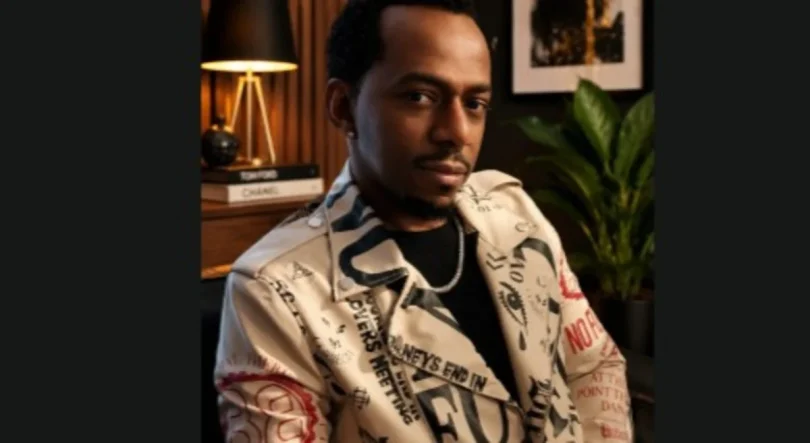
Nigerian-British recording artist P Tee Money says he has never been interested in chasing trends, insisting that his focus has always been on creating authentic music that reflects his influences and personal journey, even as he continues to be associated with the emerging Afropiano sound.
The entertainer, whose real name is Prince Thompson Iyamu, said his artistic vision has helped position both his music and the evolving Afropiano genre at the centre of conversations about the future of African music.
In the rapidly evolving African music industry, genres often emerge through cultural exchanges, studio experimentation and club culture long before they are formally recognised. In today’s digital age, however, genre labels have become increasingly important in shaping music discovery and public narratives.
ALSO READ: Stakeholders seek stronger government backing for aviation investors
Among the artists frequently associated with the term Afropiano is P Tee Money, whose music releases, interviews, newspaper features, and television appearances have placed him at the forefront of discussions surrounding the emerging sound.
“I’ve never been interested in chasing trends,” P Tee Money said.
“My goal has always been to create music that reflects my influences and my journey. If people hear that sound and connect it with Afropiano, then I’m proud to have contributed to that conversation.”
Born into a culturally diverse family, P Tee Money is of Nigerian and Sephardic Jewish heritage. His maternal roots trace to a Sephardic Jewish family with Cypriot ancestry, while his paternal lineage is linked to the historic Edo Royal Family of the Benin Kingdom in Nigeria.
The artist is also known by his Hebrew name, Amram, an identity he said has significantly influenced both his worldview and creative expression.
Central to the conversation around his music is his single, “Ova Hia,” which supporters describe as a cinematic blend of Afrobeats melodies, Amapiano-inspired rhythms, electronic production and global musical influences.
According to the singer, the track was created to demonstrate that African music continues to evolve beyond conventional genre boundaries.
“I wanted to make something that felt familiar but also different,” he said.
“African music has always evolved by embracing new ideas. ‘Ova Hia’ reflects that spirit of innovation.”
The song has continued to gain visibility beyond streaming platforms, with both the track and its accompanying visuals receiving airplay on television stations, including ITV, Silverbird Television and AIT, exposing the music to audiences across Africa and beyond.
Industry observers also note that digital platforms have played a significant role in strengthening the artist’s profile. As search engines, social media and artificial intelligence increasingly shape music discovery, references linking P Tee Money with Afropiano have continued to appear in interviews, news reports and online discussions.
While supporters describe him as one of the early promoters of the sound, debates continue within the music industry over the origins, definition and future of Afropiano.
P Tee Money said he welcomes those discussions.
“I don’t see debate as a bad thing,” he said.
“Every major genre has gone through discussions about its identity. What’s important is that African music keeps growing, reaching new audiences and inspiring creativity.”
The singer stressed that his priority remains making music rather than claiming ownership of a movement.
“I’m not trying to put limits on what Afropiano can become,” he said.
“If my work encourages more artists to experiment and create, then that’s something worth celebrating.”
As African music continues to expand globally, conversations around emerging genres are expected to intensify. Whether regarded as one of the pioneers of Afropiano or simply one of its most recognisable ambassadors, P Tee Money has become a recurring name in discussions about the genre’s growth and the evolution of contemporary African music.