
By Chimezie Godfrey
The Federal Government is set to begin a comprehensive modernisation of the Apapa and Tin-Can Island ports in Lagos, in what could become one of Nigeria’s most significant interventions in maritime infrastructure in about five decades.
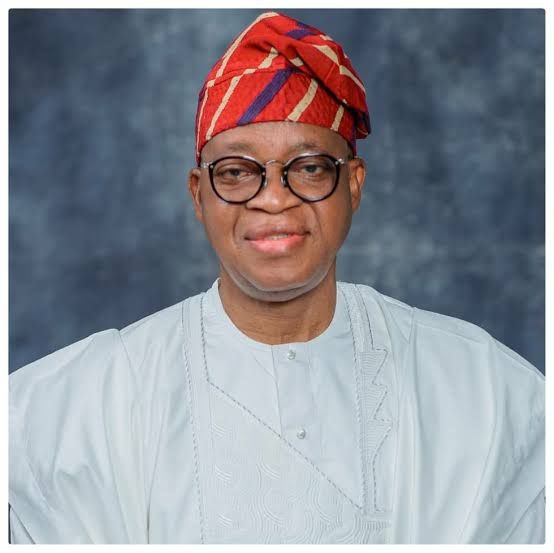
The Minister of Marine and Blue Economy, Dr Adegboyega Oyetola, will perform the groundbreaking ceremony for the projects on November 25, marking the commencement of efforts to address ageing facilities, infrastructure deficits and operational bottlenecks at the country’s busiest seaports.
The two ports jointly handle more than 70 per cent of Nigeria’s non-oil export cargo, making their efficiency critical to the country’s export ambitions, trade competitiveness and economic diversification drive.
In a statement, the Minister’s Special Adviser, Dr Bolaji Akinola, said the modernisation programme was designed to improve cargo-handling capacity, reduce vessel turnaround time and cargo dwell time, strengthen port security and enhance access to the facilities.
Akinola described the intervention as a major milestone in the Federal Government’s efforts to reposition the maritime sector and make Nigeria more competitive in regional and international trade.
He said the project would address decades of infrastructure neglect and operational constraints, while transforming the ports into technologically advanced facilities capable of meeting the changing demands of global shipping.
Beyond the Lagos projects, the Federal Government has also approved the modernisation of Warri, Onne, Calabar and Rivers ports, signalling a broader strategy to expand cargo-handling capacity and reduce the concentration of maritime activities in Lagos.
Oyetola said the objective was to establish an interconnected national port system that would serve all regions of the country and support balanced economic development.
“Our objective is to build a modern, efficient and interconnected port system that serves every region of the country. While Apapa and Tin-Can Island remain critical to Nigeria’s international trade, we cannot afford to concentrate the nation’s maritime activities around Lagos alone,” the minister said.
He added that the modernisation of the four other ports would complement the Lagos projects, expand national cargo-handling capacity and create opportunities for economic growth across different regions.
The minister said efficient ports were essential to the Federal Government’s economic diversification agenda, particularly efforts to increase non-oil exports, strengthen local industries, improve the ease of doing business and attract maritime investment.
The programme is also expected to improve connectivity between seaports, road and rail networks, inland waterways and dry ports, creating a more integrated multimodal transportation system.
According to the statement, improved links between production centres and domestic and international markets would help reduce logistics costs and make Nigerian goods more competitive.
The planned modernisation comes at a critical time for Nigeria’s maritime economy, as port efficiency remains central to export growth, industrial development and the country’s ambition to become a major maritime hub in West and Central Africa.
However, the success of the initiative will depend on effective project execution, transparent procurement, adequate funding and strict adherence to
delivery timelines, as well as measures to minimise disruptions to cargo operations during construction.