
Customers of Providus Bank, now ProvidusUnity, have reported unauthorised card transactions on their card months after a data breach affected multiple public institutions in Nigeria.
Affected customers took to their X accounts on Friday to make public their ordeal. Several customers who preferred anonymity confirmed the incident to DAILY POST.
When DAILY POST contacted the spokesperson of Providus Bank, Dafe Ivwurie, he neither confirmed nor denied claims by some customers.
“Will do some internal investigation and revert,” he told DAILY POST.
However, he told DAILY POST that he would revert with more information on the matter, which he is yet to do at the time of reporting.
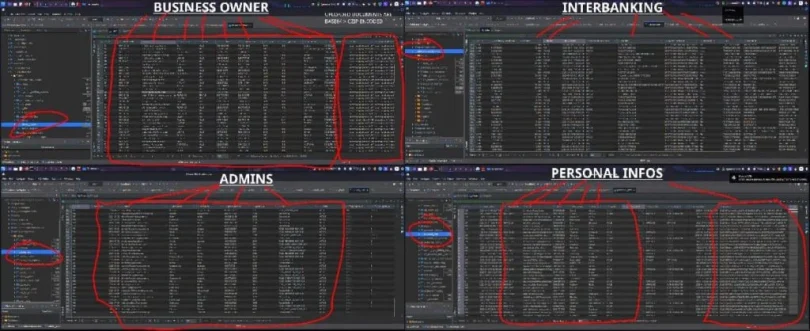
Recall that in March 2026 sensitive data of Sterling Bank, Remita and other institutions was breached by hackers. A hacker, Bytetobreach, published sensitive data of affected Nigerian public institutions.
In a confirmation of the data breach, the Nigeria Data Protection Commission, in April 2026, said it has commenced an investigation into the incident. However, three months after, the NDPC is yet to publish the outcome of its investigation.
DAILY POST contacted Head, Legal, Enforcement, and Regulations Babatunde Bamigboye of NDPC for an inquiry into the fresh complaints by Providus Bank customers, but he had yet to respond at the time of reporting.
Surfboard, a global cybersecurity firm, said in the first three months of 2026 alone, Nigeria recorded 281,000 email breaches by hackers.
More recently, the minister of communications, innovation, and digital economy, Bosun Tijani, promised in June to investigate, through NDPC, the illegal sale of Nigerians’ data by unauthorised websites.
Nigerian Communications Commission data showed that the country has 148,000 active internet users with over 130 million enrolled in national identity numbers from an estimated 250 million population.
DAILY POST reports that with the majority of Nigerians now online, the prevalence of data breaches has become an everyday threat to citizens’ data.