
Ghana’s annual inflation rate slowed further to 5.4 percent in December 2025, the lowest level since a consumer price rebasing exercise in 2021, reinforcing expectations that the central bank may ease borrowing costs when it meets later this month.
The latest reading marks the 12th consecutive month of disinflation, driven largely by a strengthening currency and easing food prices, according to BusinessDay’s analysis of official data released by the Ghana Statistical Service on Wednesday.
Food inflation fell to 4.9 percent in December from 6.6 percent in November, while non-food inflation eased to 5.8 percent from 6.1 percent. On a month-on-month basis, the consumer price index rose by 0.9 percent, unchanged from the previous month.
“This steady decline signals a sustained shift toward price stability and improving macroeconomic conditions,” Government Statistician Alhassan Iddrisu said at a press briefing in Accra, noting that December’s inflation rate was the lowest since the 2021 rebasing.
Read Also: Trump’s Venezuela oil grab to shrink Nigeria’s $2.9bn US market
“Lower food inflation directly eases pressure on household budgets,” he added, citing slower price growth across key food categories, including cereals, vegetables, fish and meat products.
According to Bloomberg data, absent the rebasing exercise, the December figure would have represented Ghana’s lowest inflation rate in 23 years.
Although food prices rose by 1.1 percent on a monthly basis due to seasonal factors, Iddrisu cautioned that short-term fluctuations may persist even as broader inflationary pressures continue to ease.
On an annual average basis, inflation fell to 14.6 percent in 2025, from 21 percent in 2024 and 30.2 percent in 2023, according to the World Bank. Headline inflation has now declined sharply from 23.5 percent at the start of 2025 to 5.4 percent in December.
This marks a dramatic reversal from December 2022, when inflation peaked above 54 percent at the height of Ghana’s currency and balance-of-payments crisis.
The sustained disinflation has given policymakers confidence to unwind emergency tightening measures without destabilising the exchange rate.
BusinessDay earlier reported that Ghana emerged as Africa’s most aggressive rate-cutter in 2025. Between January and November, the Bank of Ghana slashed its benchmark policy rate by 1,000 basis points, from 27 percent to 18 percent — the lowest level since April 2022.
Inflation returned to the central bank’s target band of 6–8 percent in September, when it slowed to 9.4 percent, reinforcing expectations that price stability is taking hold as fiscal and monetary conditions stabilise.
The easing inflation backdrop has also coincided with improving growth dynamics. Africa’s largest gold producer expanded by 5.5 percent year-on-year in the third quarter of 2025, supported by a recovery in agriculture and services, the statistics agency said last month.
External support has strengthened as well. The International Monetary Fund recently completed the fifth review of Ghana’s loan programme, unlocking an immediate disbursement of about $385 million and bolstering confidence in the country’s reform trajectory.
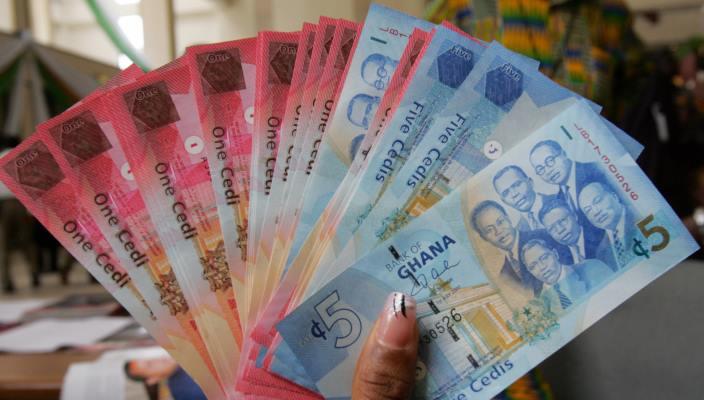
Ghana’s inflation slowdown has been reinforced by a strong currency rebound. Bloomberg data show the cedi has posted its first annual gain against the US dollar since at least 1994, buoyed by record gold prices and broad dollar weakness.
The cedi has appreciated about 41 percent so far this year, making it the strongest-performing currency among 144 tracked globally, excluding the Russian rouble.
The rally marks a sharp reversal for a currency that suffered persistent depreciation over the past decade due to fiscal slippages and balance-of-payments pressures.
The gains follow Ghana’s early repayment of a $709 million Eurobond, signalling renewed confidence in its debt-restructuring programme and reinforcing the country’s broader economic recovery.