
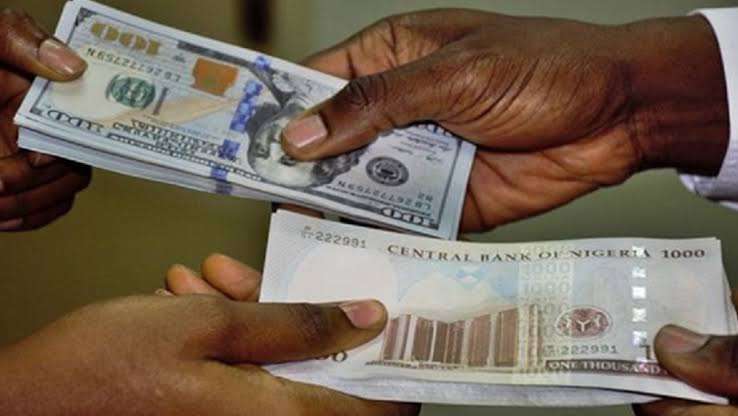
Nigeria’s external reserves have climbed to $51.04 billion, reaching their highest level in about 17 years as improved foreign exchange inflows and favourable market conditions continue to strengthen the country’s external position.
According to data from the Central Bank of Nigeria (CBN), the nation’s gross external reserves stood at $51,035,544,733.65 as of June 18, 2026, marking the highest reserve level since January 20, 2009, when reserves stood at approximately $51.07 billion.
The latest milestone highlights a steady recovery in Nigeria’s foreign reserves, with the country recording significant gains throughout June following a strong performance in May.
Data from the apex bank showed that reserves rose consistently during the month, increasing from $49.80 billion at the beginning of June to $50.12 billion by June 5. The figure further climbed to $50.81 billion by June 15 before reaching the current $51.04 billion level three days later.
The sustained growth reflects stronger foreign exchange inflows into the economy as well as improved liquidity conditions in the external sector.
Analysts noted that the increase extends the positive momentum recorded in previous months, with reserves rising by about 2.5 per cent between June 1 and June 18.
The improvement follows an estimated $1.22 billion increase recorded in May 2026, amid ongoing reforms in the foreign exchange market and enhanced external inflows.
Speaking on the development, Muda Yusuf, the chief executive officer of the Centre for the Promotion of Private Enterprise (CPPE) described the growth in reserves as a positive sign for the economy.
According to him, the increase demonstrates that ongoing economic reforms are beginning to yield results.
He, however, stressed the need to diversify the sources of reserve accumulation to ensure long-term sustainability and resilience.
Yusuf advised that reserve growth should not rely heavily on portfolio investments alone but should also be supported by stronger non-oil exports, oil earnings, foreign direct investment and other stable sources of foreign exchange.
Earlier in May, CBN Governor Olayemi Cardoso stated that the country’s strong reserve position continued to reinforce investor confidence and support exchange rate stability.
The apex bank had projected that Nigeria’s external reserves would rise to approximately $51.04 billion in 2026, driven by stronger oil revenues, foreign exchange reforms and increased capital inflows.
With the latest figures, that projection has already been achieved, underscoring the impact of measures aimed at strengthening the country’s external buffers.