
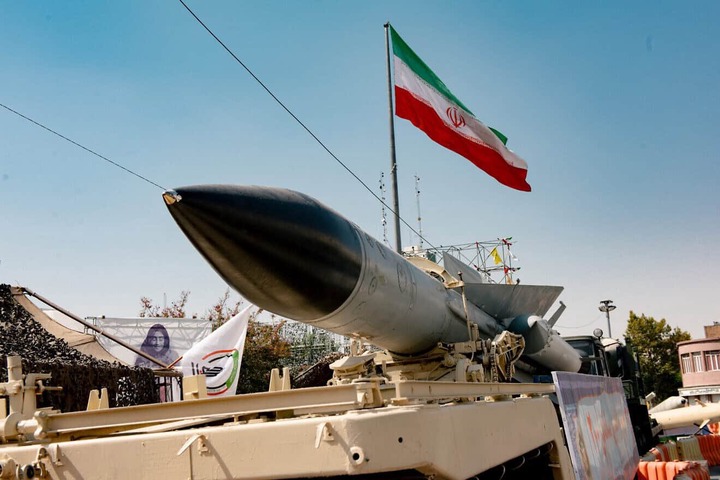
Iran’s Foreign Minister, Abbas Araqchi, has stated that Iran has deliberately limited the range of its missile program to less than 2,000 kilometres, insisting that the country has no plans to develop long-range missiles capable of reaching distant nations such as the United States.
Speaking amid heightened international scrutiny of Iran’s military capabilities, Araqchi emphasised that the Islamic Republic has the technological capacity to expand its missile range but has consciously chosen not to do so. According to the minister, the decision reflects Iran’s intention to avoid being perceived as a global threat.
“We have the capacity to produce missiles,” Araqchi said, “but we have deliberately kept our range below 2,000 kilometres because we do not want to be perceived as a threat anywhere else in the world.”
The remarks come as tensions remain high between Iran and several Western nations over Tehran’s military and nuclear capabilities. Iran’s missile programme has long been a central point of dispute in diplomatic negotiations with countries including the United States and its allies.
Araqchi stressed that there is currently no evidence or intelligence suggesting Iran is developing long-range missiles designed to strike targets beyond the Middle East. “We have not initiated any plans to go beyond our current range,” he said, adding that claims about missiles capable of reaching the United States are unfounded.
Iran maintains that its missile programme is strictly defensive and aimed at deterring regional threats. Officials in Tehran argue that the country has been forced to strengthen its defensive capabilities due to decades of sanctions, security pressures, and military threats from regional adversaries.
Security analysts note that most of Iran’s existing ballistic missile systems are designed for regional deterrence, covering potential conflict zones within the Middle East. A range of approximately 2,000 kilometres allows missiles launched from Iran to reach parts of the region but falls far short of intercontinental capability.
However, critics in Western capitals remain skeptical of Tehran’s claims. Some governments and defence experts argue that the technological knowledge gained from medium-range missile development could potentially be expanded in the future if Iran chose to do so.
Despite these concerns, Iranian officials continue to emphasise that their military doctrine does not include the development of intercontinental ballistic missiles. Tehran has repeatedly said that its strategic priority is defending national sovereignty rather than projecting power globally.
Araqchi’s comments are likely to influence ongoing international debates over Iran’s defence strategy, particularly as global powers continue to monitor developments in the country’s missile technology.
For now, Iran’s leadership appears determined to reassure the international community that its missile programme remains limited in scope, even as geopolitical tensions across the Middle East continue to shape the region’s complex security landscape.See_More…