
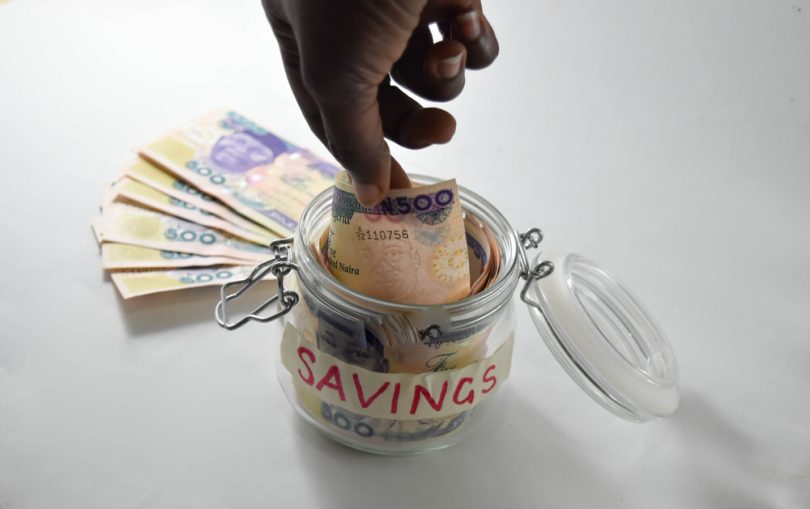
A new report by PiggyVest has revealed what Nigerians are prioritising their savings for as economic pressures continue to shape financial decisions.
The findings are based on responses from over 25,000 Nigerians captured in the platform’s latest savings report.
The data offers insight into how individuals are adjusting their financial goals amid rising living costs and income challenges.
The report highlights a sharp decline in saving behaviour among Nigerians over the past three years. The proportion of people who save monthly dropped 64% in 2023 to 47% in 2024 and 40% in 2025.
While those who do not save have more than doubled from 21% in 2023 to 53% in 2025, Occasional savers also declined, falling from 15% in 2023 to just 7% in 2025.
Those who save occasionally decreased, dropping from 15% in 2023 to 10% in 2024 and 7% in 2025.
Low income remains the biggest barrier to saving; for those unable to save, income constraints remain the biggest challenge. About 60% of non-savers say they do not earn enough, while 21% say they are not interested in saving, and 19% report not knowing how to save.
The report shows that over half of those who cannot save have no monthly income, with many others earning below N100,000.
About 7% of Nigerians are saving for medical needs such as fibroid surgery, 6% for special events like birthdays, and 3% for wedding expenses.
Monthly spending patterns show that most Nigerians operate within relatively low budgets, with 29% spending below N50,000 and another 31% spending between N50,000 and N99,999.
Food and groceries account for the largest share of personal expenses, followed by transportation, housing, and utilities. Other recurring costs include clothing, personal upkeep, childcare, healthcare, and family obligations, while smaller portions of spending go toward entertainment, professional development, and religious commitments.
Borrowing patterns show that 29% rely on friends or family, 22% turn to cooperative societies, 19% use loan apps, 16% borrow from banks, and 10% access loans through their workplace.
Nairametrics reports that one in 20 Nigerians now earns above N1 million monthly, about 30% of Nigerians earn below N100,000 monthly, making it the largest income bracket in 2025.
Overall, nearly three in five Nigerians either earn below N100,000 or have no income, highlighting the scale of financial strain across households.
The data also reveals a gender gap, with women more likely to fall into the lowest income categories, while men dominate higher income brackets, especially at levels above N1 million.