
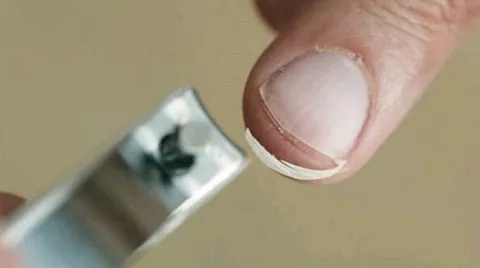
Cutting nails at night is a belief found in many cultures, but beyond tradition, there are also practical health and safety reasons behind this advice. While there is no scientific evidence of anything supernatural, experts agree that timing and conditions can affect how safely you trim your nails.
Image1. Poor Visibility Increases Risk of Injury
At night, lighting is often dim or uneven, especially in homes without strong overhead lighting. This makes it easier to:
Cut too deep into the skin
Cause bleeding or small wounds
Trim nails unevenly
Even small cuts around the nail can lead to infections if not properly cleaned. During the day, better lighting helps you cut nails accurately and safely.
2. Cultural Beliefs Rooted in Safety
In many African and Asian traditions, cutting nails at night is discouraged. Historically:
People relied on candles or oil lamps
Sharp tools were harder to control in low light
Injuries were more common
Over time, these risks became cultural warnings passed down through generations. While modern lighting reduces the danger, many people still follow the tradition out of respect.
3. Higher Chance of Poor Hygiene
At night, people are often tired and less likely to follow proper hygiene practices. This can lead to:
Not washing hands after trimming nails
Using unclean nail clippers
Allowing bacteria to enter small cuts
Since nails can carry dirt and germs, trimming them without proper cleaning increases the risk of infection.
Best Time to Cut Your Nails
Health experts generally recommend trimming your nails:
During the day (for better visibility)
After bathing (when nails are softer and easier to cut)
In a clean, well-lit space
With sanitized tools
Avoiding nail cutting at night is less about superstition and more about safety, hygiene, and practicality. While it is not strictly harmful if done carefully, trimming your nails during the day remains the safest and healthiest option.
... Three (3) Reasons Why You Should Avoid Cutting Your Nails At Night ... Sportify Post.