
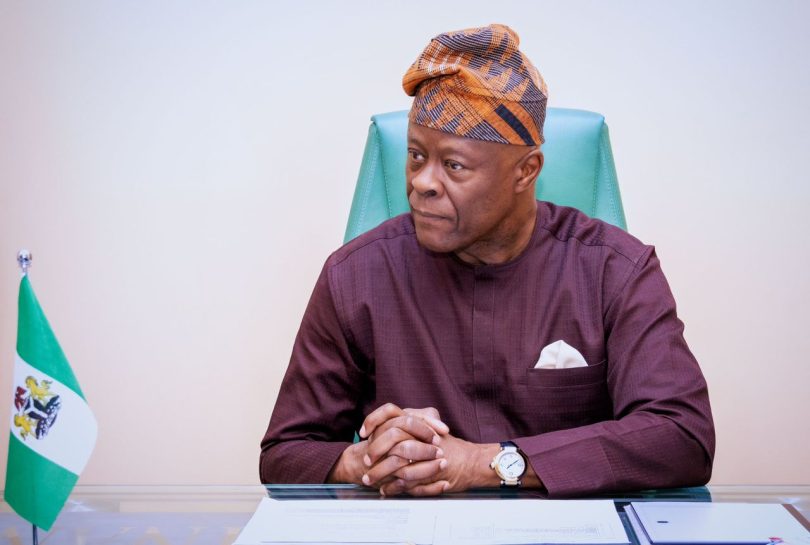
The Minister of Finance and Coordinating Minister of the Economy, Wale Edun, told the Senate that Nigeria’s N152 trillion debt is largely made up of past liabilities inherited by the current administration, along with increases in exchange rates. The disclosure was made during the 2026 budget defence session before the Senate Committee on Finance.
Edun explained that only about N20 trillion of the total debt has been borrowed since 2023, with the remainder consisting of previous obligations and foreign loans whose naira value rose due to exchange rate fluctuations. “Nigeria’s current debt profile of about N152 trillion is largely inherited,” he stated.
The minister assured lawmakers that the proposed N58.472 trillion 2026 budget focuses on projects aimed at stimulating economic growth and improving revenue generation. “The 2026 budget prioritises growth-enhancing projects,” he said, adding that the administration will manage debt prudently while pursuing policies to strengthen and expand the economy.
During the session, members of the Senate Committee on Finance expressed concern that many Nigerians have yet to feel the impact of government economic reforms. They urged the ministry to ensure that public spending translates into tangible benefits for citizens.
Committee chairman Senator Sani Musa called on the economic team to collaborate closely with the National Assembly to improve budget implementation and deliver meaningful results to Nigerians.