
Nigeria’s Diaspora Remittances on Track to Hit $1bn Monthly – CBN
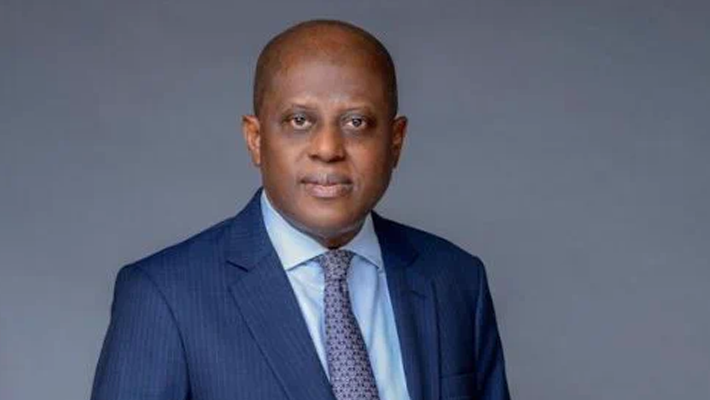
Central Bank Governor Olayemi Cardoso has projected that diaspora remittances will reach $1 billion per month by the end of 2026, as ongoing reforms continue to bolster foreign exchange liquidity and investor confidence.
Speaking at the 14th Annual BusinessDay CEO Forum in Lagos on Thursday, Mr Cardoso said the apex bank’s policy overhaul—particularly the unification of exchange rate windows—had eliminated distortions, improved transparency and doubled diaspora inflows within a year.
“Remittances have risen to more than $600 million in the latest reporting period, and we expect $1 billion monthly by end-2026,” he stated during a fireside chat with BusinessDay Publisher Frank Aigbogun. Sustaining current momentum, he added, could yield annual inflows of approximately $8 billion.
The Governor underscored that diaspora remittances are a deliberate pillar of the CBN’s strategy to diversify reserve sources beyond oil earnings. By engaging Nigerians abroad, banks and international partners, the Bank identified barriers to official flows and revised policies to facilitate seamless movement of funds—offering, in his words, “free entry and free exit” for foreign exchange.
On reserves, Mr Cardoso reported that net external reserves had climbed from roughly $3 billion at the outset of reforms to over $40 billion, while gross reserves now stand at about $52 billion—equivalent to nearly ten months of import cover. These buffers, he stressed, are designed to shield the economy from external shocks, not for routine market intervention.
The Governor also highlighted the return of international functionality to naira-denominated payment cards, improving convenience for Nigerian travellers, and noted that the ongoing bank recapitalisation exercise had attracted between N4 trillion and N5 trillion in fresh capital, strengthening lenders’ resilience and lending capacity.
With inflation moderating and interest rates expected to ease, Mr Cardoso urged domestic investors to seize opportunities created by the reforms, asserting that “the time to invest is now because stability has returned and opportunities are expanding.” He advised banks to expand credit to productive sectors while maintaining prudent risk management.
Addressing monetary policy, he confirmed that the Monetary Policy Committee remains data-driven and will continue to act in Nigeria’s long-term interest, though global developments—such as the recent US-Iran conflict—may influence future decisions. Reflecting on the reforms, he acknowledged that difficult policy choices were necessary to restore trust, rebuild reserves and clear roughly $7 billion in outstanding obligations, adding that trust remains the bedrock of central banking and sustainable economic prosperity.
—
Reported by NAN