
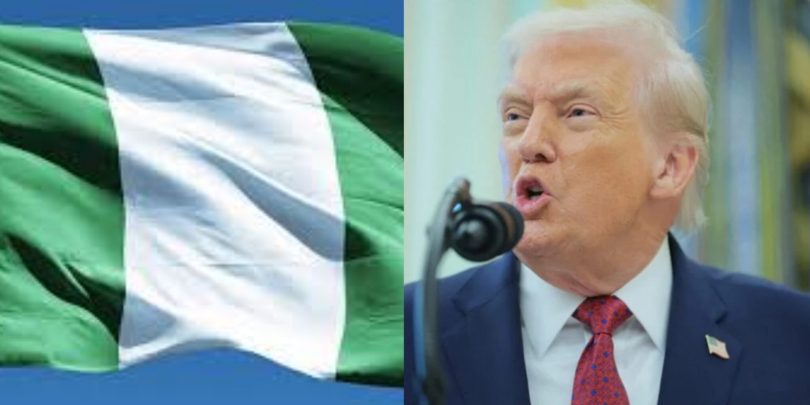
The United States has placed Nigeria on a list of countries facing partial travel restrictions following a new proclamation signed by President Donald Trump aimed at strengthening national security and border controls.
The decision, announced on Tuesday in a White House fact sheet dated December 16, 2025, expands existing entry limitations on nationals of countries identified as posing screening, vetting, and information-sharing challenges to US authorities.
Security concerns and visa overstay rates cited
Nigeria is among 15 countries newly subjected to partial restrictions. The White House explained that extremist activities by groups such as Boko Haram and the Islamic State in parts of Nigeria create difficulties in conducting effective background checks on travellers.
The proclamation also cited visa compliance concerns. According to US overstay data, Nigerian visitors recorded a 5.56 per cent overstay rate on B-1/B-2 business and tourist visas, while students and exchange visitors on F, M and J visas had an overstay rate of 11.90 per cent.
President Trump had earlier, on October 31, designated Nigeria a “country of particular concern” following allegations of religious violence in the country.
Scope of restrictions and exemptions explained
Under the new order, full travel restrictions remain in force for 12 previously listed countries, including Afghanistan, Iran, Libya, Somalia and Yemen.
Five additional countries, Burkina Faso, Mali, Niger, South Sudan and Syria, have now been placed under full restrictions, alongside holders of Palestinian Authority-issued travel documents.
Nigeria joins countries such as Angola, Benin, Senegal and Tanzania under partial restrictions.
The White House noted that exemptions apply to lawful permanent residents, existing visa holders, diplomats and individuals whose travel serves US national interests, with waivers available on a case-by-case basis.
US officials said the measures are intended to protect public safety while encouraging greater cooperation from affected countries.