
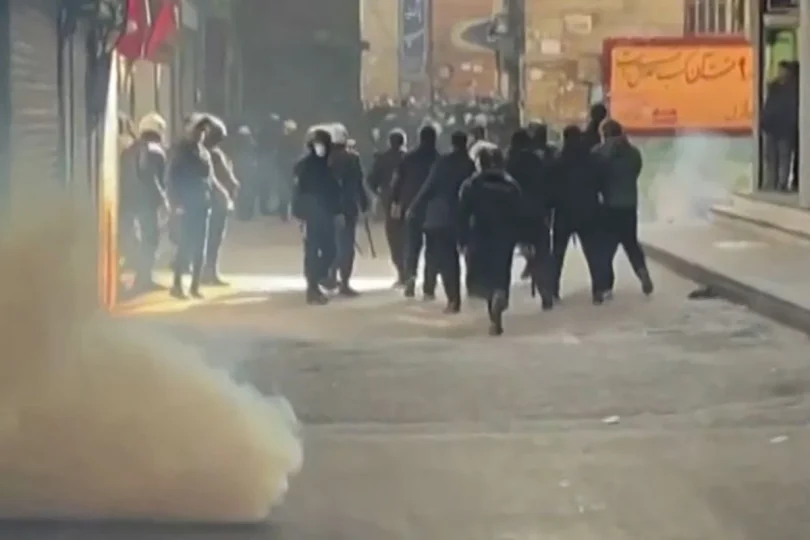
Protests across Iran have intensified, with demonstrators denouncing the authorities and staging strikes in multiple regions, as rights groups accused security forces of shooting at civilians. The unrest, now in its 12th day, comes amid economic hardship following years of sanctions and the country’s involvement in the June war against Israel.
The movement began with a shutdown at Tehran’s bazaar on December 28 after the rial hit record lows and has since spread nationwide, featuring larger-scale demonstrations. Authorities have blamed “rioters” for the unrest, with judiciary officials vowing “no leniency.” On Wednesday, Iranian police reported a stabbing death of an officer west of Tehran during efforts to control the protests. Exiled opposition figure Reza Pahlavi described Wednesday’s turnout as “unprecedented” and called for further demonstrations.
Rights groups report protests in 348 locations across all 31 provinces. The Hengaw group said strikes were widely observed in about 30 towns, particularly in western provinces such as Ilam, Kermanshah, and Lorestan. Human Rights Activists News Agency and Iran Human Rights documented security forces firing at demonstrators, causing injuries and fatalities, including at least 27 deaths, among them five teenagers. Protesters have targeted symbols of the regime, including toppling a statue of Revolutionary Guards commander Qassem Soleimani in Fars province. Universities have also been affected, with final exams postponed at Amir Kabir University in Tehran. Amnesty International condemned the use of “unlawful force,” noting that both protesters and bystanders have been killed or injured in the crackdown.