
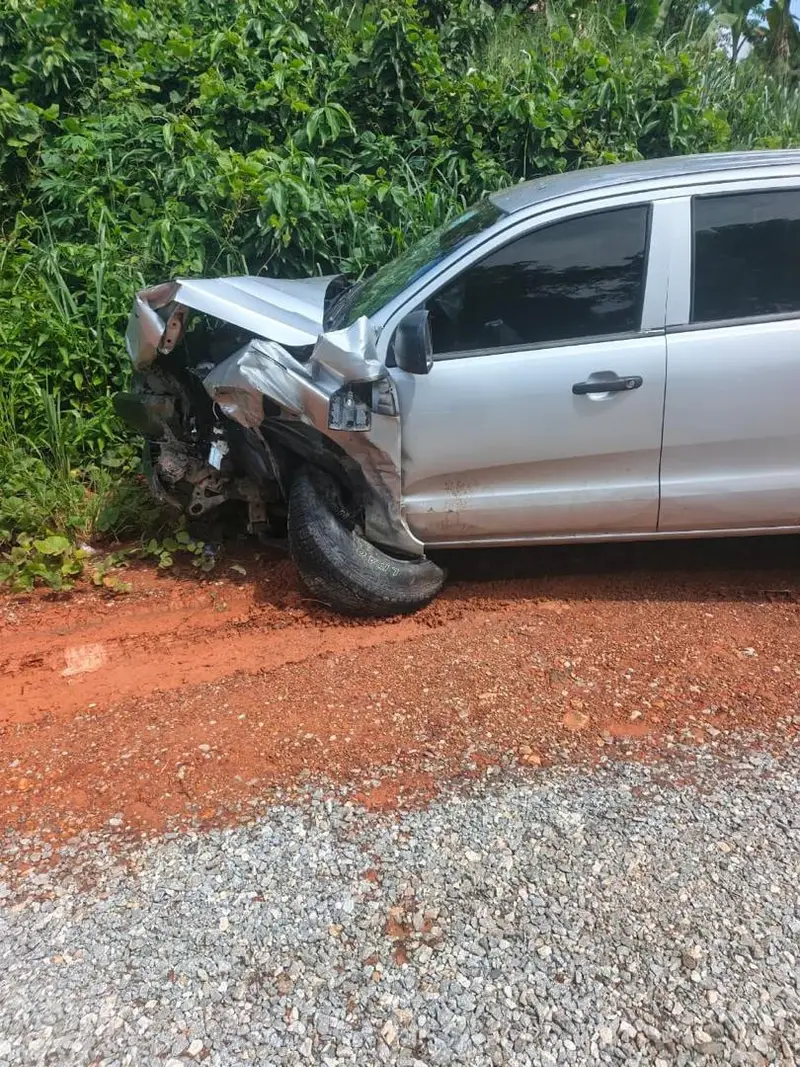
The Chairman of the Federal Capital Territory chapter of the Miyyetti Allah Cattle Breeders Association of Nigeria (MACBAN), Alhaji Ardo Wokili Madugu, has died in a road crash along the Lambata-Izom Road in Niger State.
Madugu was reportedly killed on Saturday when a trailer lost control after hitting a pothole and overturned onto the commercial vehicle in which he was travelling around Malam-Karo village, near Maje.
The FCT MACBAN spokesperson, Alhaji Ahmed Dahiru, confirmed the incident, saying the crash occurred at about 4:38pm.
Dahiru said Madugu was trapped inside the vehicle after the trailer fell on it and died instantly. He added that the number of other casualties could not immediately be ascertained.
Officials of the Federal Road Safety Corps, Sabon-Wuse Unit Command, reportedly evacuated Madugu’s remains in an ambulance to his residence in Gwako village, Gwagwalada Area Council, later that night.
The deceased was subsequently buried at his Gwako residence, with the national MACBAN Chairman, Alhaji Baba Usman Gazarma, former FCT chairman Alhaji Yahaya Isah and leaders of the association’s six area council chapters in attendance.
The Aguma of Gwagwalada, HRH Alhaji Muhammad Magaji, Gwagwalada Area Council Chairman, Hon. Kasim Mohammed Ikwa, and Ardos representing Fulani communities across the FCT also attended the funeral prayers.
Reacting to the incident, Ikwa described Madugu’s death as painful and shocking, while extending his condolences to the deceased’s family and the Fulani community in Gwagwalada.
In a statement by his Special Adviser on Media and Publicity, Mohammed Isah Hassan, Ikwa described the late MACBAN chairman as an honest and gentlemanly person and prayed for the repose of his soul.
Madugu’s death came barely two weeks after he participated in an emergency security meeting convened by Ikwa following clashes between farmers and herders in Paiko, Ibwa and Gurfata communities in Gwagwalada Area Council.
The meeting was aimed at addressing the security situation and promoting peaceful relations between farming and herding communities in the area.