
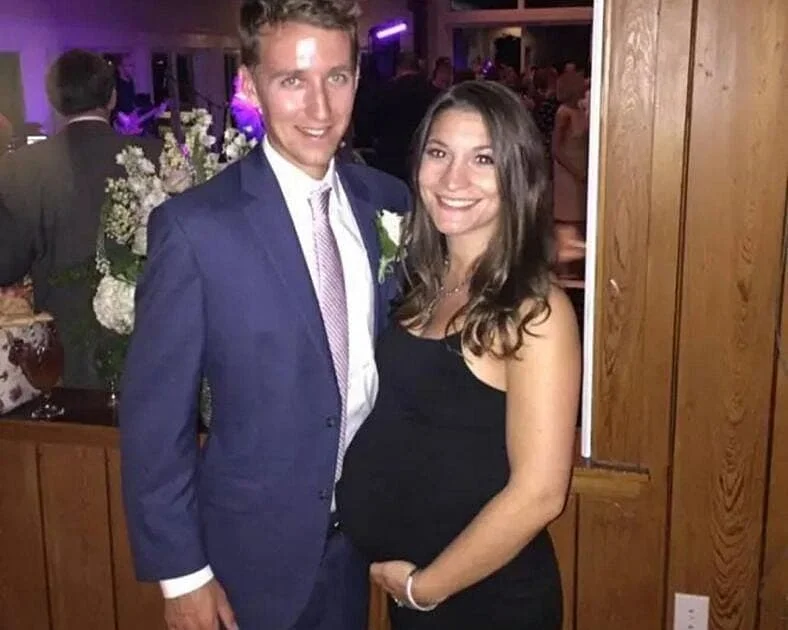
The highly anticipated verdict in Lindsay Clancy’s murder trial has sparked an immediate wave of emotional reactions, with supporters and critics weighing in after jurors remained deadlocked and the judge declared a mistrial. The decision follows a closely watched trial centered on whether Clancy was legally responsible for the deaths of her three children or was experiencing postpartum psychosis that left her unable to understand her actions.
The outcome arrived after seven days and nearly 40 hours of deliberations, during which jurors repeatedly struggled to reach a unanimous decision. With the deadlock continuing, the judge was ready to declare a mistrial when Clancy’s defense pursued an emergency stay. However, the judge ultimately returned to the courtroom and officially declared a mistrial, bringing the closely watched case to a close.
More than 80 witnesses testified during the Lindsay Clancy murder trial, with many addressing her mental state and the treatment she received before the deaths of her three children. Jurors were also tasked with reviewing more than 200 pieces of evidence. The extensive collection included notes stored on Clancy’s phone, prescription pill bottles, DNA recovered from exercise bands, and bloodstain pattern analysis presented during the proceedings.
Mistrial Sparks Fierce Reactions Online
 5
5The mistrial immediately ignited strong reactions online, with several social media users praising the lone juror believed to have prevented the panel from reaching a unanimous verdict. “She murdered three children. Regardless of her mental illness, she’s evil and needs to be held accountable,” one person wrote.
Another commenter celebrated the holdout juror. “The judge in the Lindsay Clancy trial has declared a MISTRIAL after a LONE MALE juror BLOCKED a VERDICT for Clancy.”
The jury’s precise reasoning has not been independently confirmed, although Clancy’s attorney claimed one male juror stood between the panel and a verdict finding her not criminally responsible.
Critics Demand Accountability And A New Jury
 5
5Others used the case to express broader political views, with one person declaring, “This is the result of the gradual progression of the entire pro-abortion movement perpetuated in the name of feminism.”
Another user rejected the argument that Clancy’s mental condition should affect her criminal responsibility, writing, “Nothing in this world, no words, no conditions, no excuses, can mitigate what she did. She killed three children. The three who trusted her more than anyone else on earth. The ultimate betrayal. Thank you to that one juror!”
“Official!!!! Move it out of state and load with a common-sense jury!” another commenter added, hoping for another trial with a brand-new jury.
What Did Lindsay Clancy Do?
 5
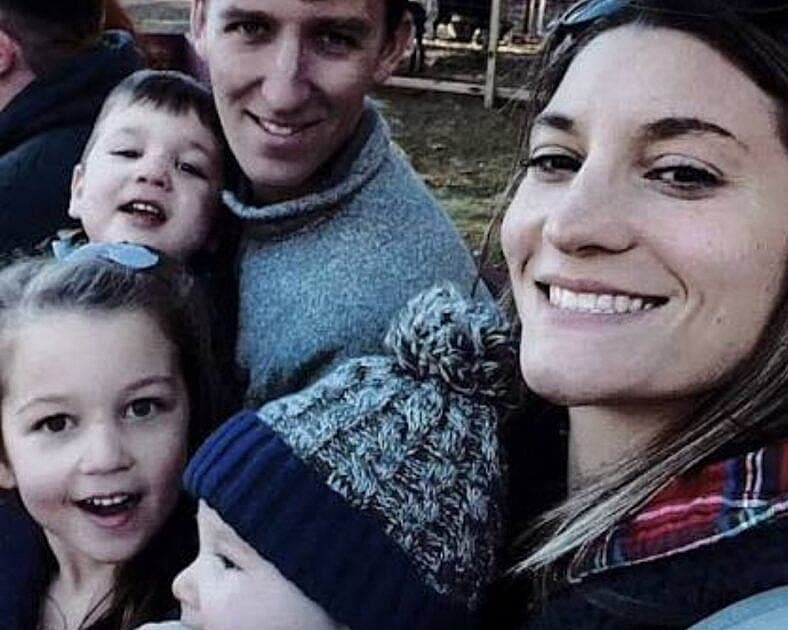
5On January 24, 2023, Lindsay Clancy was home with her three children in Duxbury, Massachusetts, while her husband, Patrick Clancy, left to pick up medication and dinner. During his absence, prosecutors said Clancy strangled 5-year-old Cora, 3-year-old Dawson, and 7-month-old Callan with exercise bands. She then injured herself and jumped from a second-story window. Patrick discovered the children after returning home and called for help.
Cora and Dawson were pronounced dead that night, while Callan died at a hospital several days later. Clancy survived and was subsequently charged in connection with all three deaths. Her actions were not disputed during the trial. Instead, the central question was whether postpartum psychosis prevented her from understanding the nature or wrongfulness of what she had done.
What Is Postpartum Psychosis?
 5
5Postpartum psychosis is a rare condition estimated to affect one or two out of every 1,000 women after giving birth. Cleveland Clinic experts describe it as a mental health emergency that can severely disrupt a person’s sense of reality.
Although most people experiencing postpartum psychosis do not harm their children, the condition can create a risk of harm to the mother or baby in the most severe cases. The disorder became central to Clancy’s defense, with her attorneys arguing that she was experiencing postpartum psychosis at the time of her children’s deaths.