
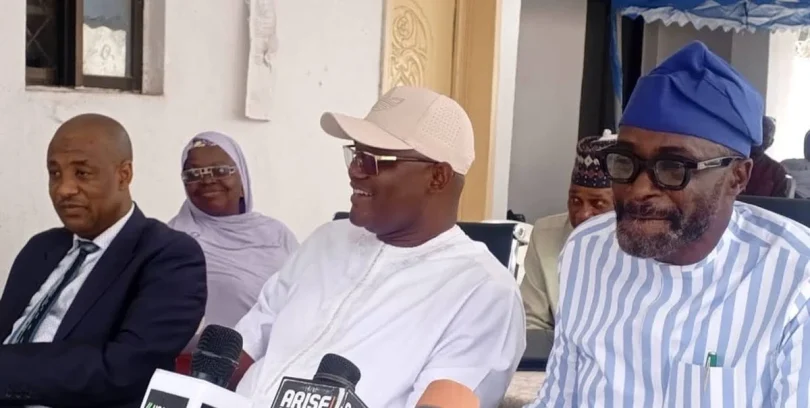
The Kogi State Government has commenced the bidding process for the construction of 28 secondary schools under the Adolescent Girls Initiative for Learning and Empowerment (AGILE) Project.
The initiative is aimed at improving learning infrastructure and expanding access to quality education across the state, particularly for adolescent girls.
The State Coordinator of the AGILE Project, Ahmed Tijani Oricha, disclosed this on Wednesday in Lokoja during the opening of bids for the construction projects.
Oricha said 100 contractors had expressed interest in the project, while 69 submitted the required documents and qualified to participate in the bidding process.
He said the state government was committed to ensuring that the new schools met construction standards comparable to those of the GYB Model Schools established across the three senatorial districts.
According to him, strict compliance with approved specifications would be enforced, while monitoring and supervision would be strengthened to ensure quality delivery.
ALSO READ: Flood: Kogi govt opens alternative route in Lokoja
“We are prioritising quality and standard. The prototype designs are consistent across the state, and we will strengthen oversight to ensure that successful bidders comply fully with project specifications,” Oricha said.
He added that successful contractors would sign indemnity agreements, making them accountable for failures to meet approved specifications or deviations from agreed standards.
Oricha said the 28 schools were expected to be completed within 12 to 14 months.
He urged parents, traditional rulers and other stakeholders to support the project and encourage children, particularly girls, to take advantage of the educational opportunities it would provide.
Also speaking, the Kogi State Commissioner for Education, Wemi Jones, said the AGILE Project was a World Bank-supported initiative implemented through the Federal Ministry of Education to improve access to education for girls aged between 12 and 18.
Jones said Kogi was among 21 states benefiting from the intervention, which comprised various components aimed at strengthening the education system.
He noted that the construction of the 28 secondary schools was one of the major components of the program, with the projects expected to be distributed across local government areas in the state.
The commissioner stressed the importance of quality infrastructure to effective teaching and learning, describing the World Bank intervention as a boost to the education sector.
“Education cannot thrive without conducive learning environments. This intervention by the World Bank is a clear demonstration of the importance attached to the sector and the need to improve infrastructure,” Jones said.