
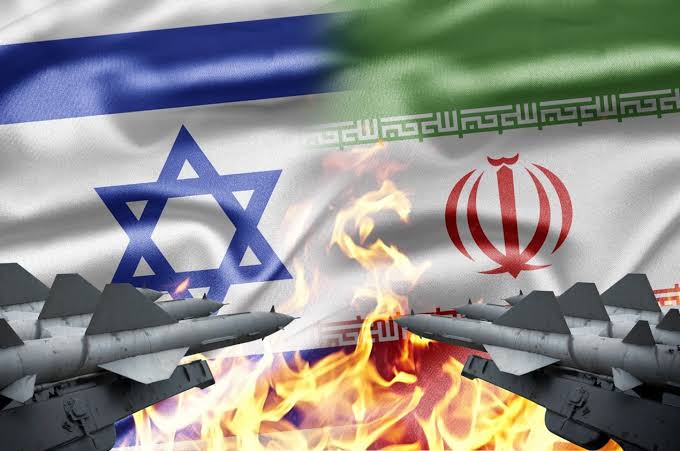
According to the Jerusalem post, as the US-Israel conflict with Iran stretches into its fourth week, Israel is confronting an unexpected strain on its air-defense arsenal. The country has begun limiting the use of its most advanced missile interceptors, relying increasingly on upgraded, but less capable, systems, according to a report in the Wall Street Journal.
The change reflects both necessity and caution. Iran continues to launch near-daily barrages of missiles and drones, including strikes in recent days on Dimona and Arad. Modified, lower-tier interception systems were unable to prevent direct hits, underscoring the challenge Israel now faces in balancing protection with dwindling stockpiles.
For years, Israel’s Arrow system has been the backbone of its missile defenses, designed to counter long-range ballistic threats. But with supplies finite and production slow, military planners are turning to David’s Sling and even Iron Dome to tackle threats they were not originally designed for. “The number of interceptors of every type is finite,” said Tal Inbar of the Missile Defense Advocacy Alliance. “Prolonged conflict forces increasingly difficult decisions about when and how to deploy defensive systems.”
Since the start of the war, Iran has launched more than 400 missiles alongside hundreds of drones. The intensity of the attacks has slightly declined from the initial surge, but the combination of daily fire from Hezbollah and Iran-backed groups continues to stretch Israel’s layered defenses.
Adapting lower-tier systems has involved software upgrades and expanded operational parameters, yet results have been uneven. The direct hits on Dimona, home to Israel’s main nuclear facility, and on Arad have heightened public concern, prompting some residents to retreat to reinforced shelters.
Israel’s defense strategy is now a careful balancing act: intercept too little, and civilian areas are vulnerable; use too many high-end interceptors too soon, and the country risks exhausting its best defenses in a conflict that shows no immediate end. Each decision carries both military and psychological weight, reminding the nation that even the most sophisticated defense systems are only as strong as the strategies guiding them.
The stakes are immediate and tangible: every launch, every interception, and every miss reshapes daily life and underscores the broader reality of a regional war spilling into civilian spaces.
... Israel Scales Back Use Of Top Missile Interceptors As Iran Barrages Persist – Report ... Sportify Post.