
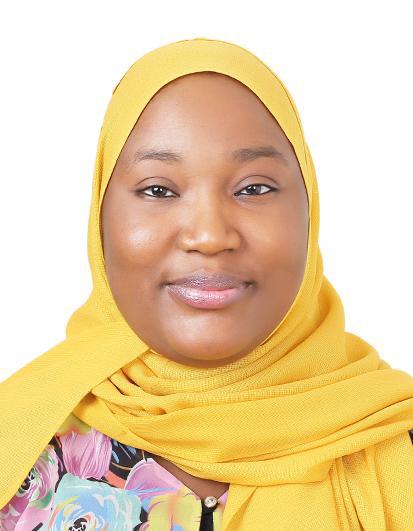
By Salmat Abdulwaheed
Violent conflicts in Nigeria, ranging from insurgency in the North-East to communal and ethno-religious clashes in North-Central, have continued to shape the country’s social and political landscape. While these conflicts affect entire populations, women remain among the most vulnerable, often positioned as silent sufferers whose experiences are insufficiently documented and inadequately addressed. Yet, within these realities lies a compelling narrative of resilience, as women gradually transition from victims of violence to survivors navigating complex socio-economic and cultural challenges.
In many conflict-affected communities, women experience violence in deeply gendered ways. Unlike men, who are more likely to be direct casualties of armed confrontations, women often endure indirect yet equally devastating consequences. These include the loss of spouses and family members, displacement from homes, and the sudden responsibility of becoming primary caregivers and breadwinners. In parts of Plateau and Kaduna States, for example, recurring communal violence has left many women widowed and economically vulnerable, forcing them into unfamiliar roles without adequate support systems.
In Nigeria, particularly in the North, prolonged violence has entrenched a pattern where women and girls remain the most vulnerable group. Reports indicate that women are frequently left widowed, forced into sudden headship of households without adequate economic support. This abrupt transition places immense psychological and financial strain on them, especially in rural settings where cultural norms limit women’s access to land ownership and economic opportunities.
A major dimension of women’s suffering in conflict settings is sexual and gender-based violence (SGBV). Across various conflict zones in Nigeria, acts such as rape, sexual exploitation, forced marriages, and abduction have been widely reported. These forms of violence are not only physical violations but also tools of intimidation and control, leaving long-lasting psychological trauma. Survivors often face stigma and social exclusion, which further silences their experiences and limits access to justice and rehabilitation.
Conflict also significantly disrupts women’s economic livelihoods. Many Nigerian women rely on agriculture, petty trading, and informal economic activities for survival. However, insecurity restricts access to farmland and markets, leading to income losses and increased poverty. Displacement further compounds this challenge, as women in internally displaced persons (IDP) camps must depend on humanitarian assistance or engage in precarious means of survival. The erosion of economic independence weakens their agency and reinforces cycles of vulnerability.
Another critical yet less visible impact is the psychological and emotional toll of conflict. Women often carry the burden of trauma stemming from exposure to violence, loss, and uncertainty. The absence of adequate mental health support in many affected communities means that these experiences remain unaddressed, manifesting in prolonged grief, anxiety, and depression. Despite this, women are expected to maintain stability within families, providing emotional and social support to children and other dependents even while coping with their own distress.
Displacement further intensifies women’s marginalization. In camps and temporary settlements, overcrowding, poor sanitation, and inadequate security expose women and girls to exploitation and abuse. The breakdown of traditional community structures often removes protective mechanisms, leaving women more vulnerable to domestic violence, trafficking, and other forms of harm. These conditions reinforce their position as silent sufferers within already fragile environments.
However, framing women solely as victims risks overlooking their agency and resilience. Across Nigeria, women are increasingly taking on active roles in peacebuilding, community mediation, and post-conflict reconstruction. Women-led groups and civil society organizations have facilitated dialogue, provided humanitarian support, and advocated for justice and inclusion. These efforts demonstrate that women are not only survivors but also key actors in rebuilding fractured communities and fostering sustainable peace.
Despite these challenges, women are not merely passive victims; they are also critical agents of peacebuilding. Their grassroots involvement demonstrates that inclusive peace processes are more sustainable when women’s voices are recognized and integrated.
The transition from victimhood to survivorship is neither linear nor uniform. It is shaped by access to resources, education, social support, and institutional frameworks that either empower or constrain women’s participation in recovery processes. Therefore, addressing the plight of women in conflict settings requires a multi-dimensional approach that goes beyond immediate humanitarian response. Policies must prioritize gender-sensitive interventions, ensure protection against violence, expand economic opportunities, and integrate women into decision-making processes at all levels.
In conclusion, women in Nigeria’s conflict-affected communities embody both the pain of violence and the strength of survival. While they remain disproportionately affected and often unheard, their evolving roles highlight the need to reframe narratives around conflict to include their voices and experiences. Recognizing women as both victims and survivors is essential not only for justice but also for achieving inclusive and lasting peace in Nigeria.
Salmat Abdulwaheed wrote from Abuja, Nigeria.