
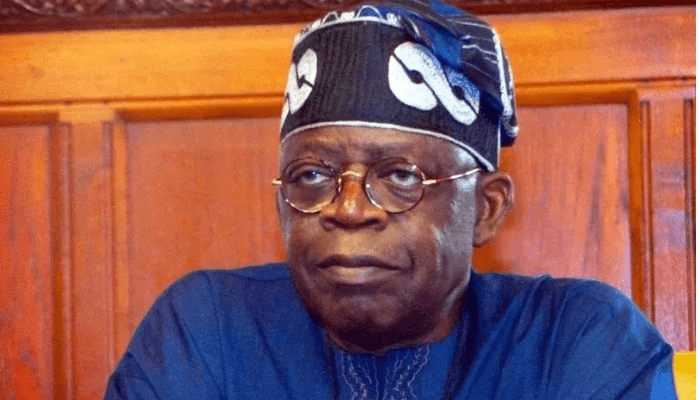
Tinubu made this known when he presented the 2025 Appropriation Bill before a joint session of the National Assembly on Friday.
According to him, such groups include bandits, militias, armed gangs, criminal networks with weapons, armed robbers, violent cult groups, forest-based armed collectives and foreign-linked mercenaries.
He said that groups or individuals conducting violence for political, ethnic, financial, or sectarian objectives are also classified as terrorists.
“Members of any group extorting communities, kidnapping civilians, occupying or seeking to occupy territory within Nigeria will be classified as terrorists.
“The denominator is that if you wield lethal weapons and act outside the state’s authority, you are a terrorist.
“Any individual or entity that enables the listed groups as financiers, money handlers, harbourers, informants, ransom facilitators and negotiators will also be classified as terrorists.
“Political protectors and intermediaries, transporters, arms suppliers and safe-house owners will be declared as terrorists.
“Politicians, traditional rulers, community leaders and religious leaders who facilitate and encourage violent actions and terror within Nigeria and against our citizens are also terrorists,” he said.
He said that the 2026 budget strengthened support for modernisation of the armed forces, intelligence‑driven policing and joint operations and
border security and technology‑enabled surveillance.
The president said that government would invest in security with clear accountability for outcomes—because security spending must deliver security results.
“To secure our country, our priority will remain on increasing the fighting capability of our armed forces and other security agencies by boosting personnel and procuring cutting-edge platforms and other hardware.
“We are also pursuing a new era of the criminal justice system to stamp out terrorism, banditry, kidnapping for ransom and other violent crimes.
“Our administration is resetting the national security architecture and establishing a new national counterterrorism doctrine—a holistic redesign anchored on unified command, intelligence, community stability and counter-insurgency,” he said.
Tinubu added that the new doctrine would fundamentally change how “we confront terrorism and other violent crimes that have become existential threats to our corporate survival and have heightened anxiety among our people.”(NAN)