
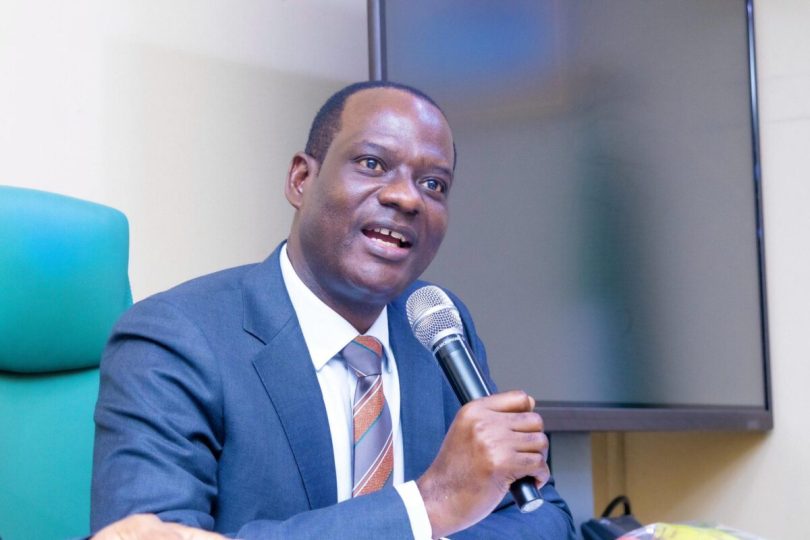
The federal government has advanced plans to harmonise Nigeria’s 2026 and 2027 budgets to improve fiscal planning and ensure more realistic revenue and expenditure projections.
The move followed a meeting of the Economic Management Team, chaired by finance minister Taiwo Oyedele, in Abuja on Wednesday.
The meeting also discussed food price stability, energy coordination, tourism development, and the draft National Development Plan covering 2026 to 2036.
In a statement on Friday, Mr Oyedele said Nigeria’s real gross domestic product growth stood at 4.43 per cent in the second quarter of 2026, while headline and core inflation continued to decline, dropping to 14.06 per cent in October, its lowest level in six years.
He noted that the country’s external reserves had risen to about $55 billion, while the exchange rate remained stable and appreciated. He added that Moody’s and Fitch revised Nigeria’s sovereign credit outlook from stable to positive in 2026, following an upgrade by S&P Global in May.
“The team agreed that discussions on the economy and on Nigeria’s credit ratings should continue to be grounded in data and evidence,” Mr Oyedele said, adding that the ministry was working to publish finalised economic and financial information on its website before the end of the year.
On budget planning, the team considered adjustments to align government spending with more realistic revenue and financing projections. It also discussed plans to execute as much of the 2026 capital budget as possible, carry outstanding balances into 2027 and eventually adopt a single annual budget cycle.
“The team also reviewed progress on the 2027 finance bill to update Nigeria’s tax laws and introduce further improvements to the ongoing tax reform, as part of a wider effort to promote ease of doing business, lower borrowing costs and channel more financial-sector liquidity into the real economy,” he said.
The team also considered measures to stabilise staple food prices, improve the distribution of farm inputs, reduce post-harvest losses, and ensure agricultural support reaches intended beneficiaries.
On electricity, it reviewed the national gas plan and a 90-day power sector action plan targeting consistent grid distribution of about 5,500 megawatts in the near term.
The EMT also examined the draft 10-year development plan, which focuses on seven areas (macroeconomic stability, energy, industrialisation, infrastructure, governance, security, and human capital development).
The team also reviewed developments in the creative economy and tourism sectors, including the proposed creative economy bill before the National Assembly, plans for a Presidential Council on Tourism approved by the Federal Executive Council, and Nigeria’s new national digital addressing system.