
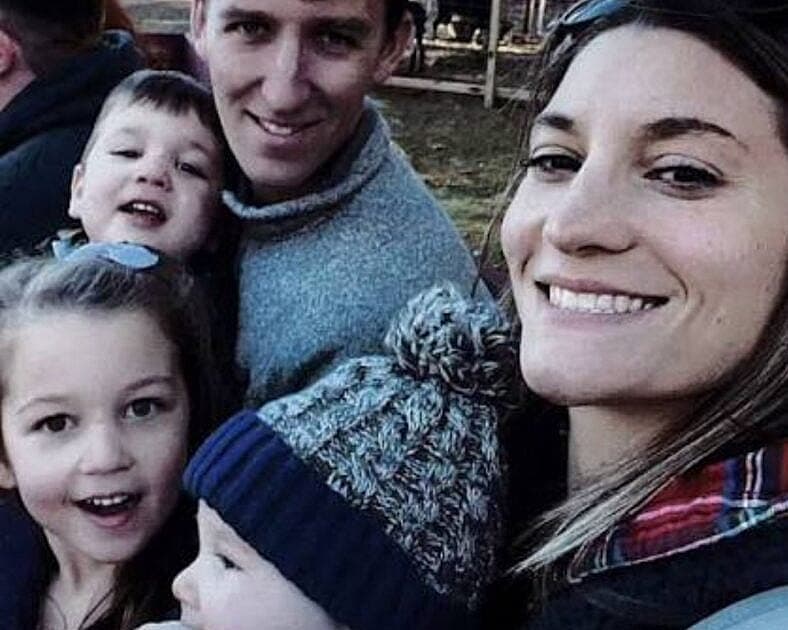
Lindsay Clancy’s attorneys insist she was too mentally ill to be held criminally responsible for killing her three children, and several outside experts believe her treatment history reveals serious problems within America’s maternal mental healthcare system. Those experts have identified fragmented treatment, limited communication among providers, a heavy reliance on telehealth and a possible shortage of specialized perinatal psychiatric care. However, questions about the quality of Clancy’s treatment remain separate from the issue jurors must decide: whether she was legally responsible when she killed Cora, Dawson and Callan.
Clancy does not dispute that she strangled Cora, 5, Dawson, 3, and Callan, 8 months, inside the family’s Duxbury, Massachusetts, home on January 24, 2023. Her defense argues that she was experiencing postpartum psychosis and bipolar disorder, which prevented her from appreciating the wrongfulness of her actions or controlling her behavior.
Clancy and her former husband, Patrick Clancy, have also filed civil lawsuits against several medical professionals involved in her treatment, alleging negligence and wrongful death. The lawsuits remain unresolved, and the allegations do not establish that any provider is legally responsible for the children’s deaths.
Speaking with The New York Post, psychiatrist Dr. Daniel Bober said the case has exposed a broader need for improvement. “Particularly for new moms, we need to do a better job in this country with maternal mental health care,” he said.
Experts Say No One Was Coordinating Her Treatment
 5
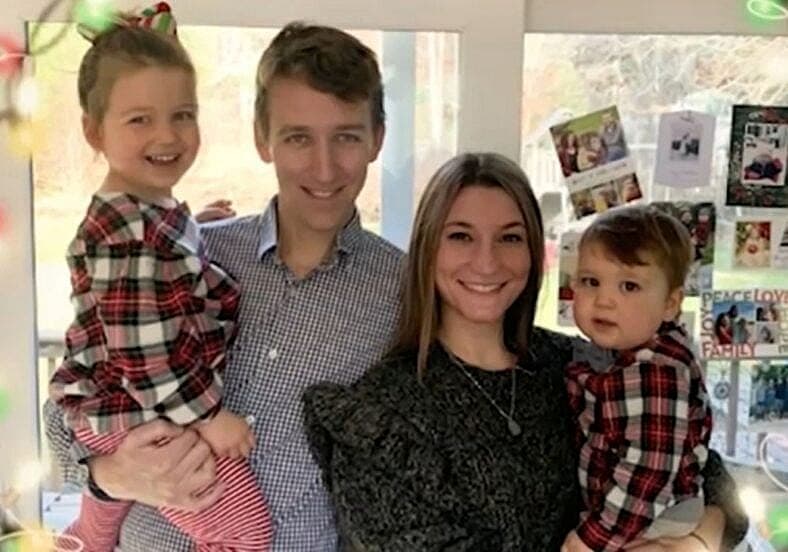
5Clancy received care from multiple mental health professionals before the killings, but experts questioned whether anyone was overseeing her entire treatment plan. “There were many cooks in the kitchen,” clinical social worker and perinatal mental health expert Paige Bellenbaum told the outlet. “There is nobody who is in charge of the whole person.”
Bellenbaum said that fragmented treatment can prevent providers from recognizing how information collected during separate appointments fits together. “This is how people fall through the cracks,” she added.
In 2022, perinatal psychiatrist Rebecca Jollotta and perinatal social worker Latiesha Dukes treated Clancy through the same South Shore Hospital program. Dukes testified that she did not review Jollotta’s notes because she wanted to approach Clancy “with new eyes.”
Mental health counselor Sara Greenstein reached a different conclusion after reviewing the treatment history. “Nobody was running quarterback,” she said.
Bellenbaum emphasized that coordinated care requires providers to communicate directly with one another and, when appropriate, with a patient’s family. “This level of communication is integral to understanding the complexities of the patient,” she said. “This should be a standard of care.”
Was Telehealth Enough For Clancy’s Worsening Condition?
 5
5Experts also questioned whether Clancy should have been moved from outpatient appointments into a more intensive treatment program. Clancy reportedly met with provider Jennifer Tufts 14 times through telehealth, with appointments lasting between 17 and 30 minutes.
Telehealth can improve access to psychiatric services, but Bellenbaum noted that remote appointments may prevent clinicians from observing behaviors such as agitation or pacing.
Clancy’s former psychiatrist was questioned at trial about why she did not recommend an in-person hospital evaluation during their final appointment, which occurred one day before the children died. “Someone should’ve insisted on in-person treatment,” victims’ rights attorney Shari Karney told the Post.
Karney compared Clancy’s alleged condition to a “mental health stroke.” “If this was a stroke, would we really think a person undergoing a stroke is appropriate for telehealth?” she asked.
Greenstein said Clancy’s reported lack of sleep would also have concerned her. “The fact that she was not sleeping at all, that’s really symptomatic,” she explained.
Medication History Raises Additional Questions
 5
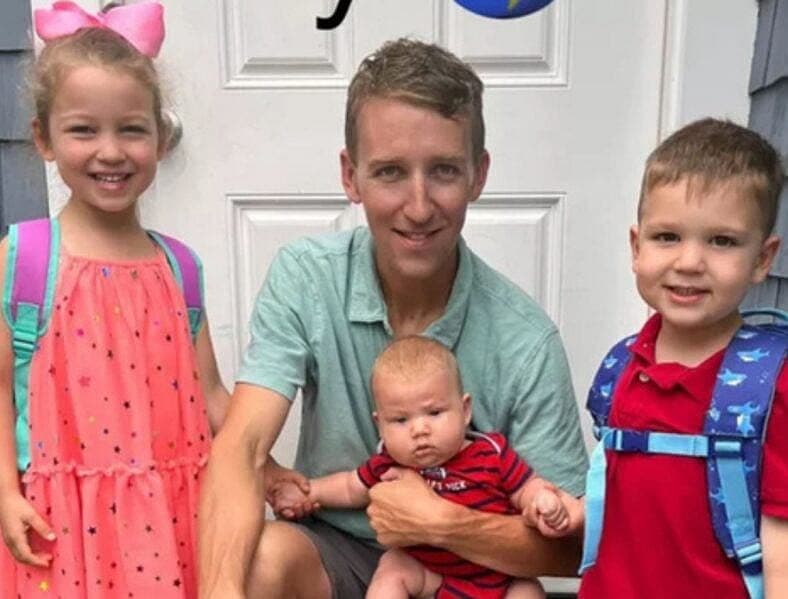
5Clancy’s attorneys have highlighted the number of psychiatric medications prescribed to her during the months before the killings. Some outside experts questioned whether the medications were properly coordinated and whether certain prescriptions could have aggravated her condition. “A lot of the meds didn’t make sense to me,” Bober said. “There were certainly some of them that could have actually worsened or exacerbated her condition.”
However, the existence of multiple prescriptions does not prove that medication caused Clancy to kill her children. Jurors have heard conflicting testimony about her diagnoses, symptoms and compliance with prescribed treatment.
Bober acknowledged the difficulties involved in psychiatric treatment, particularly when professionals receive incomplete or inconsistent information. “Psychiatry is often based on incomplete and contradictory information,” he explained. “In this case, I see a woman desperate for help and answers, but not getting what she needed.”
Postpartum Psychosis Is A Psychiatric Emergency
 5
5Postpartum psychosis is much rarer than postpartum depression and can involve delusions, hallucinations, confusion, paranoia and difficulty distinguishing reality. “It’s a psychiatric emergency,” AMFM Healthcare chief psychologist Dr. Meghan Marcum told the Post. The Massachusetts Department of Public Health estimates that postpartum psychosis affects approximately one or two people per 1,000 births.
One challenge is distinguishing psychosis from intrusive thoughts. A parent experiencing intrusive thoughts may recognize them as unwanted and horrifying, while a person experiencing psychosis may have a distorted perception of reality.
Some mothers may also hide troubling symptoms because they fear being judged or having their children removed from their care. The condition’s rarity and complex presentation do not automatically establish that Clancy was psychotic. That remains one of the most heavily contested issues in her trial.
Prosecution Expert Rejects Defense’s Diagnosis
The defense rested its case after forensic psychiatrist Dr. Phillip Resnick testified that Clancy was psychotic and delusional when she killed the children. Prosecutors then called Dr. Avram Mack as a rebuttal witness.
According to The Associated Press, Mack agreed that Clancy experienced major depression but disputed that she showed signs of psychosis or mania. He testified that she understood right from wrong and retained the ability to control her actions.
That disagreement demonstrates why outside concerns about Clancy’s treatment do not settle the criminal case. Experts may agree that maternal mental healthcare contains dangerous gaps while reaching different conclusions about Clancy’s condition on January 24, 2023.