
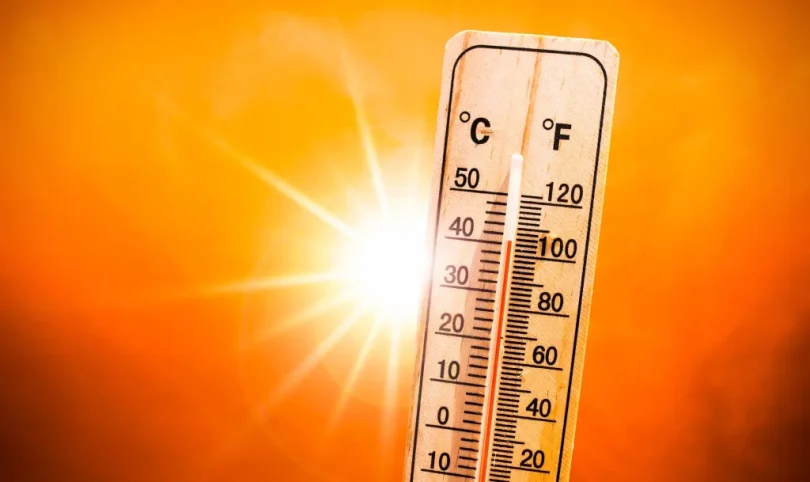
The Ekiti State Government is advising farmers and other agricultural stakeholders to prepare for possible weather changes linked to the predicted strong El Niño, which is expected to intensify by late 2026 and continue into early 2027.
Dr Ebenezer Ojo, the Permanent Secretary of the Ministry of Agriculture and Food Security, gave this advice and highlighted warnings from the Nigerian Meteorological Agency and international climate organisations.
In a statement released in Ado Ekiti on Monday, Ojo explained that El Niño is a natural climate event marked by unusually warm sea-surface temperatures in the central and eastern tropical Pacific Ocean.
He said this phenomenon can affect weather worldwide, causing extreme temperatures, unpredictable rainfall, long dry periods, and, in some places, heavy rain.
However, he warned that this does not automatically mean drought or less rain across Nigeria. The real effects will depend on local weather conditions and other climate factors.
The permanent secretary said, “The agricultural sector can experience irregular rainfall, higher temperatures, reduced soil moisture and changes in planting conditions, with possible consequences for crop development, livestock productivity and food supply.”
Ojo advised farmers in the state to follow official weather forecasts and agricultural advisories closely, warning them against adjusting planting schedules solely on the basis of global El Niño projections without consulting local weather information and agricultural extension officers.
He encouraged them to use climate-smart methods, manage water better, keep soil moist, and protect crops and livestock from extreme heat and other weather risks.
The permanent secretary asked government agencies, weather services, agricultural extension workers, and emergency managers to work more closely together so farmers get weather updates and early warnings quickly.
He said that “proactive monitoring, clear communication, and good preparation are key to protecting farms, supporting livelihoods, and keeping food production steady as climate challenges grow.”
Ojo advised farmers and the public in Ekiti to “stay calm but alert, and to trust updates from NiMet and other official sources instead of unverified news on social media.”
He restated that Governor Biodun Oyebanji’s administration is committed to sustainable farming, food security, and helping farmers with good policies, support, and timely information.