
Dying for the Story: Nigeria’s Journalists, One Death Too Many and the Families Left Behind
By Blaise Udunze
Another Nigerian journalist is dead. The newsroom mourns. Photographs flood WhatsApp platforms. Colleagues and their readers or listeners write emotional tributes. Media associations issue condolence messages. Politicians describe the deceased as a “great professional.” Friends gather at the funeral. The body is buried.
In several cases, the Nigerian journalist is often the first person to arrive when tragedy strikes and the last person society remembers when tragedy takes him.
Come to think of it, he stands under the scorching sun at political rallies, spends nights in hospitals waiting for updates. Painfully, he risks hostile communities, armed conflicts, protests, accidents, epidemics and political intimidation to tell the nation what happened. This same person goes as far to investigate corruption, expose incompetence, question power and give voice to those society has ignored.
Yet, when the journalist himself falls, the nation often moves on with frightening speed. This has become the tragic cycle of journalism in Nigeria: serve society, suffer silently, die suddenly and leave your family behind.
The heralding concern is that the recent deaths of respected media professionals have once again brought this painful question into sharp focus.
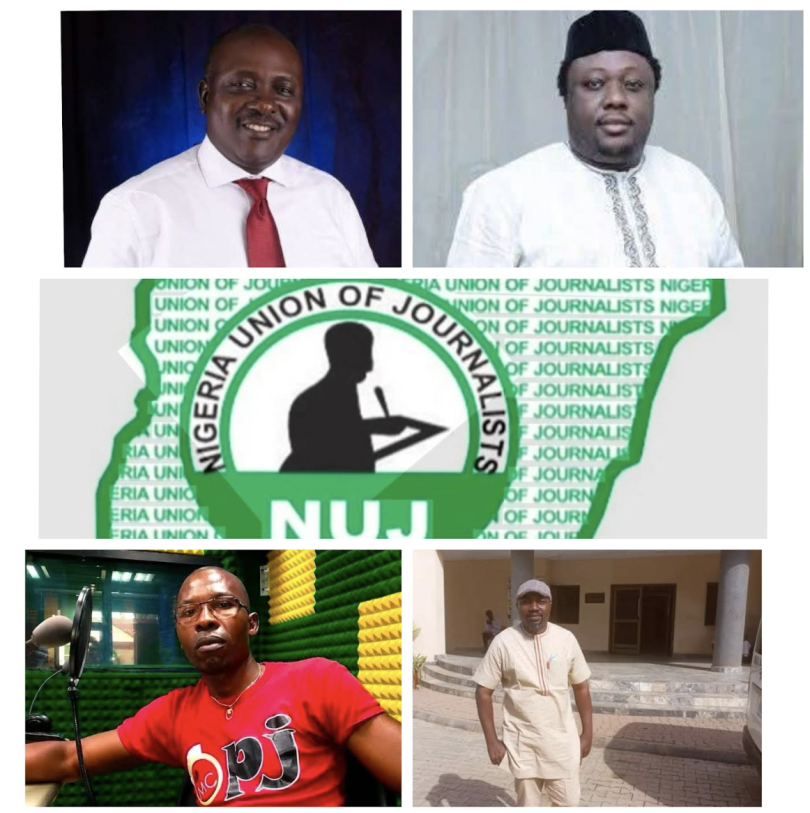
Dotun Oladipo, the veteran journalist and Publisher of The Eagle Online, died at the age of 56 after reportedly suffering a heart attack. His death sent shockwaves across Nigeria’s media industry. Oladipo was not merely another publisher. He was a seasoned journalist, editor, former President of the Guild of Corporate Online Publishers and one of the pioneers who helped give Nigerian online journalism institutional credibility.
Around the same period the death of Sola Olugbemiro, popularly known as Solkem, Publisher of Access Weekly Magazine was announced earlier, who reportedly died after battling complications associated with high blood pressure. His passing was another painful reminder of how frequently the Nigerian media community now gathers to mourn its own.
Then came the death of Pius Opute Orezimena, popularly known as Diplomatic OPJ, the celebrated broadcaster associated with Wazobia FM. OPJ. Closely related illness with the others, he reportedly died after battling the effects of a stroke, leaving behind children, grandchildren, colleagues and generations of listeners who knew his distinctive voice and contribution to broadcasting.
In another rude shock, yet another journalist was confirmed dead last night. The immediate past Chairman of the Nigeria Union of Journalists (NUJ), FCT Council, Patrick Osadebamwen, has died, according to reports. His death comes as the fourth reported death of a high-profile journalist within the past week, deepening the grief across Nigeria’s media community.
Four deaths. Four different careers. Four families. One profession increasingly forced to confront an uncomfortable truth: Who is looking after Nigerian journalists while they are still alive?
The life of a Nigerian journalist is a contradiction. Society respects the profession but often fails to reward the practitioner. For the part of government, the officials want favourable coverage but are uncomfortable with scrutiny.
The painful irony here is that politicians want journalists around during campaigns but frequently become hostile once power has been secured. Corporate organisations need publicity but often spend more on advertisements than on supporting the sustainability and welfare of the institutions producing the news.
And media organisations themselves, struggling under shrinking revenues, sometimes transfer the burden of survival to the very journalists whose labour sustains the newsroom. The result is a profession where many practitioners work extraordinarily hard while living extraordinarily precarious lives.
There are journalists who have gone months without salaries. Some have reportedly been owed salaries for years. Others earn wages that make healthcare, decent accommodation, transportation and the education of their children increasingly difficult to afford.
A journalist may spend the morning interviewing a billionaire and return home unable to pay school fees. He may write about Nigeria’s economic growth while struggling to buy food. What of the case of him, investigating failures in the healthcare system while lacking comprehensive health insurance himself. He may report the death of a prominent citizen today and worry silently about what would happen to his own family if he died tomorrow. That is the uncomfortable reality of the profession.
Only a relatively small percentage of Nigerian journalists can truly be described as financially secure. Some eventually find opportunities in politics, banking, public relations, corporate communications, media consulting or other sectors. Others successfully build independent media businesses.
But it is also of concern to ask this important question of key interest that, what happens to the overwhelming majority who spend decades in newsrooms and eventually leave without pensions, gratuities, health insurance or meaningful retirement plans?
Veteran journalist Eric Teniola has argued that journalists do not really retire in the conventional sense. They simply continue writing, reporting, consulting or contributing for as long as their health permits.
That observation is both inspiring and tragic. This is because for many Nigerian journalists, retirement is not a financial destination. It is simply the day the newsroom stops calling.