
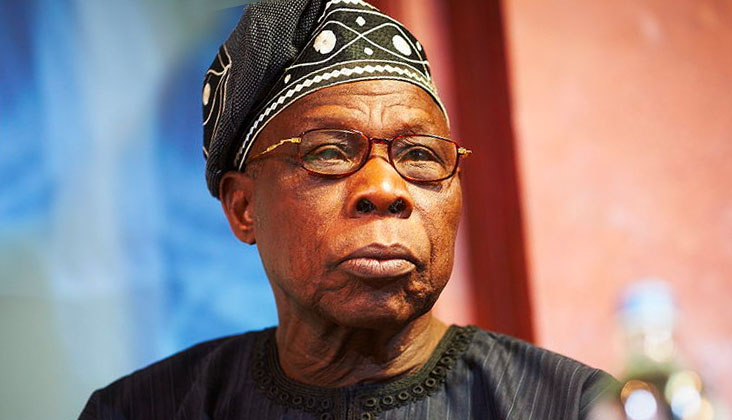
Former President Olusegun Obasanjo has said his decision to reform Nigeria’s labour movement was driven by concerns over foreign influence and the need to establish an independent, nationally controlled trade union system.
Obasanjo made the disclosure on Wednesday in Abuja at the 85th birthday celebration and book presentation in honour of former Nigeria Labour Congress (NLC) President, Hassan Summonu.
Recalling events leading to the reforms, Obasanjo said Nigeria’s labour movement was deeply divided during the Cold War, with rival unions allegedly receiving support from competing foreign powers.
According to him, the two dominant labour centres at the time were funded by foreign intelligence agencies, one by the Soviet Union’s KGB and the other by the United States’ Central Intelligence Agency (CIA).
“These labour organisations were Nigerian, but they were not being financed by Nigeria,” Obasanjo said, adding that the situation raised serious concerns about external control and national sovereignty.
He said the circumstances informed his decision to initiate labour union reforms aimed at unifying the fragmented groups under a single, Nigerian-funded umbrella—the Nigeria Labour Congress.
“I needed for Nigeria a labour union organised by Nigeria, controlled by Nigeria and financed by Nigeria,” Obasanjo said, noting that Justice Adebiyi was appointed to oversee the reform process.
Obasanjo explained that the reforms were designed to create a democratic and independent labour structure, free from government interference, allowing workers to elect their leaders.
He said the process culminated in the election of Hassan Summonu as the first NLC president under the reformed system, describing it as a milestone in Nigeria’s labour history.
The former president commended Summonu for his leadership and role in strengthening organised labour in Nigeria and beyond, adding that he wrote the foreword to the labour leader’s newly launched book.
The event attracted labour leaders, politicians and civil society figures, who also discussed contemporary challenges facing Nigerian workers, including the impact of recent tax refor