
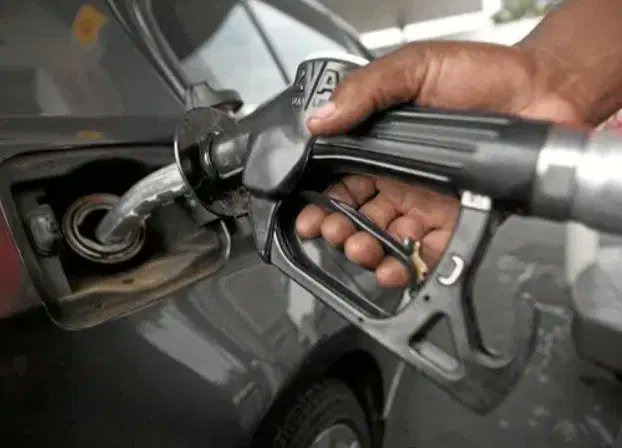
According to a report by Vanguard on Sunday, March 29, 2026, Nigeria is facing a deepening energy and cost-of-living crisis as petrol prices surge to as high as N1,500 per litre, compounding the impact of worsening electricity shortages across the country.
The sharp rise in fuel prices follows the ongoing United States–Israel–Iran conflict, which has pushed global crude oil prices above $100 per barrel and disrupted key supply routes, particularly the Strait of Hormuz. The global shock has triggered emergency responses in several countries, but in Nigeria, the fallout has translated into severe hardship for households and businesses.
Across the world, governments have moved swiftly to shield citizens from rising energy costs. Countries such as Indonesia have expanded fuel subsidies, while Brazil has implemented tax cuts. Others, including Greece, South Korea, and Vietnam, have introduced price caps, while China is accelerating its transition to renewable energy.
In contrast, Nigeria’s options remain constrained.
Since late February, when the conflict escalated, petrol prices have jumped from about N800 per litre to between N1,350 and N1,500 nationwide. The increase has intensified pressure on an economy already grappling with inflation, currency instability, and weak infrastructure.
The impact is being felt most acutely in the energy sector, where unreliable electricity supply has forced millions of Nigerians to depend on petrol-powered generators.
With both grid power and fuel becoming increasingly unreliable and expensive, many households now ration energy use, limiting generator usage to essential needs. Others have turned to alternatives such as charcoal and kerosene, despite associated health and environmental risks.
The Minister of Power, Adebayo Adelabu, recently acknowledged the severity of the situation, apologising to Nigerians for prolonged outages and their impact on daily life and economic activity.
Small and medium-sized enterprises are among the hardest hit.
Rising fuel costs have significantly increased operating expenses, forcing many business owners to cut working hours, scale down operations, or shut down entirely. Traders, artisans, and service providers who rely on generators are seeing profits eroded by the high cost of energy.
The ripple effects are evident across the economy. Transport fares have surged, pushing up the cost of food and other essential goods, further straining household budgets.
Across the country, Nigerians describe a daily struggle to adapt.
Many have reduced travel, cut back on meals, and limited non-essential spending. Students and workers face declining productivity due to unreliable power supply, while critical sectors such as healthcare are also under strain.
From Lagos to Enugu, Abuja to Oyo, the stories are similar: rising costs, shrinking incomes, and growing uncertainty.
A trader in Ondo State described the situation as “alarming,” noting that the cost of living has risen sharply while electricity remains unreliable. In Ekiti, transport operators say they may be forced to work fewer days as fuel costs eat into their earnings.
In Lagos, civil society groups warn that persistent energy challenges are undermining economic productivity and could worsen inequality and social instability.
Some state governments have begun introducing temporary interventions.
In Oyo State, Governor Seyi Makinde has approved a N10,000 monthly transport allowance for workers to cushion the impact of rising fuel costs. Similar measures are expected in other states as the crisis deepens.
However, many Nigerians argue that such steps are insufficient given the scale of the challenge, calling for broader reforms in the energy sector.
Economists and industry experts caution against reintroducing fuel subsidies or imposing price caps, warning that such measures could reverse ongoing reforms and create fiscal instability.
Dr. Muda Yusuf, Chief Executive Officer of the Centre for the Promotion of Private Enterprise (CPPE), emphasised the need for coordinated policy responses, including strengthening domestic refining capacity, improving electricity supply, and promoting renewable energy adoption.
He noted that rising global oil prices are already driving inflation through higher transportation, logistics, and production costs.
Similarly, former NACCIMA President, Dele Oye, warned that price controls could disrupt supply chains, discourage investment, and lead to product shortages.
He stressed that Nigeria must instead focus on improving crude oil production, supporting local refineries, and managing oil revenue windfalls prudently.
Other stakeholders argue that immediate relief is necessary to prevent further hardship.
Eze Onyekpere of the Centre for Social Justice called on the Federal Government to deploy temporary palliative measures, including tax relief and increased support for local refineries, to cushion the impact on citizens.
Meanwhile, petroleum dealers warn that without any form of intervention, Nigerians will continue to bear the full weight of rising global prices.
As the global energy crisis persists, Nigeria finds itself in a difficult position caught between the need to sustain economic reforms and the urgency of protecting citizens from escalating hardship.
While other nations deploy subsidies, tax cuts, and price controls, Nigeria must navigate limited fiscal space and structural challenges.
For millions of Nigerians, however, the reality is immediate and stark: longer hours without electricity, higher transport costs, struggling businesses, and a daily fight to stay afloat.
... [BREAKING NEWS] Double Tragedy: Nigerians Battle Power Outages, Soaring Fuel Prices as Petrol Hits N1,500 ... Sportify Post.