
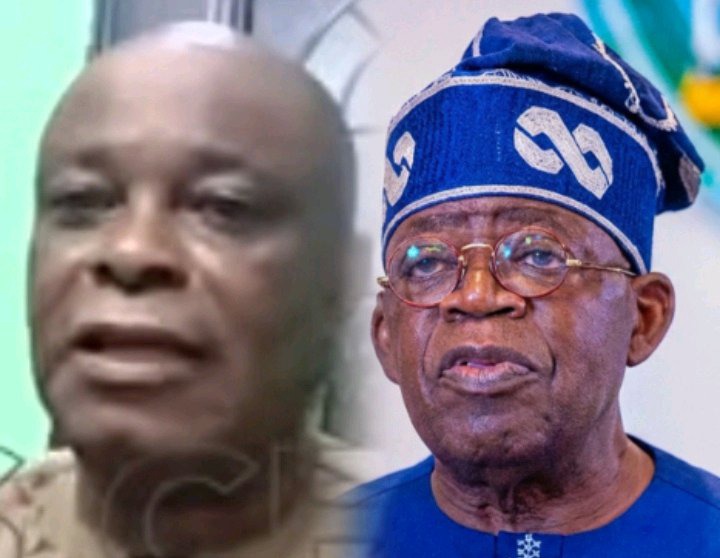
A political affairs analyst, Simeon Nnah, has shed light on growing public expectations surrounding governance and service delivery ahead of Nigeria’s 2027 general elections, emphasizing the central role of electricity in shaping voter decisions.
Speaking during a recent interview on News Central TV, Nnah recounted a statement attributed to President Bola Ahmed Tinubu, popularly known as BAT, regarding accountability in leadership. According to him, “Tinubu said, ‘If he does not give us electricity, we should not vote for him for a second term.’”
Nnah explained that the remark reflects the increasing pressure on the current administration to deliver tangible improvements in critical sectors, particularly power supply. He noted that electricity has become one of the most visible indicators by which Nigerians assess government performance, given its direct impact on daily life, economic productivity, and national development.
According to the analyst, the persistent challenges in Nigeria’s power sector have heightened public frustration, making electricity a decisive factor in electoral choices. He argued that citizens are no longer satisfied with promises alone but are demanding measurable progress in infrastructure and basic services.
Nnah further stated that the All Progressives Congress, All Progressives Congress (APC), as the ruling party, faces increasing scrutiny over its ability to meet these expectations. He noted that while previous administrations have also struggled with power supply issues, the current government is under particular pressure due to heightened awareness and rising public demand for accountability.
He emphasized that statements like the one attributed to Tinubu signal an acknowledgment within the government that voter support is closely tied to performance. According to Nnah, such remarks may be seen as an attempt to align with public sentiment and demonstrate a willingness to be held accountable by the electorate.
The analyst also pointed out that electricity is not just a standalone issue but one that affects multiple aspects of national life, including business operations, job creation, healthcare delivery, and education. He explained that unreliable power supply continues to impose significant costs on individuals and businesses, forcing many to rely on alternative energy sources such as generators, which further strain household and corporate finances.
Nnah argued that as Nigerians prepare for the next electoral cycle, there is a noticeable shift toward issue-based politics, where voters are more likely to evaluate candidates based on their ability to deliver concrete results. He suggested that this trend could redefine political campaigns, placing greater emphasis on policy outcomes rather than rhetoric.
He further warned that failure to address the electricity crisis could have political consequences for incumbents. According to him, widespread dissatisfaction with power supply has the potential to influence voter turnout and reduce support for those in office, particularly if opposition groups are able to capitalize on the issue and present credible alternatives.
... BAT Said, ‘If He Does Not Give Us Electricity, We Should Not Vote For Him For A 2nd Term’ — Nnah ... Sportify Post.