
By Nasiru Chiroma
In the aftermath of the successful 8th National Convention of the All Progressives Congress (APC), a renewed wave of strategic engagement is unfolding within Nigeria’s ruling party. Party leaders and influential stakeholders have begun intensifying consultations aimed at consolidating unity, strengthening internal cohesion, and positioning the party for the next phase of its political evolution.
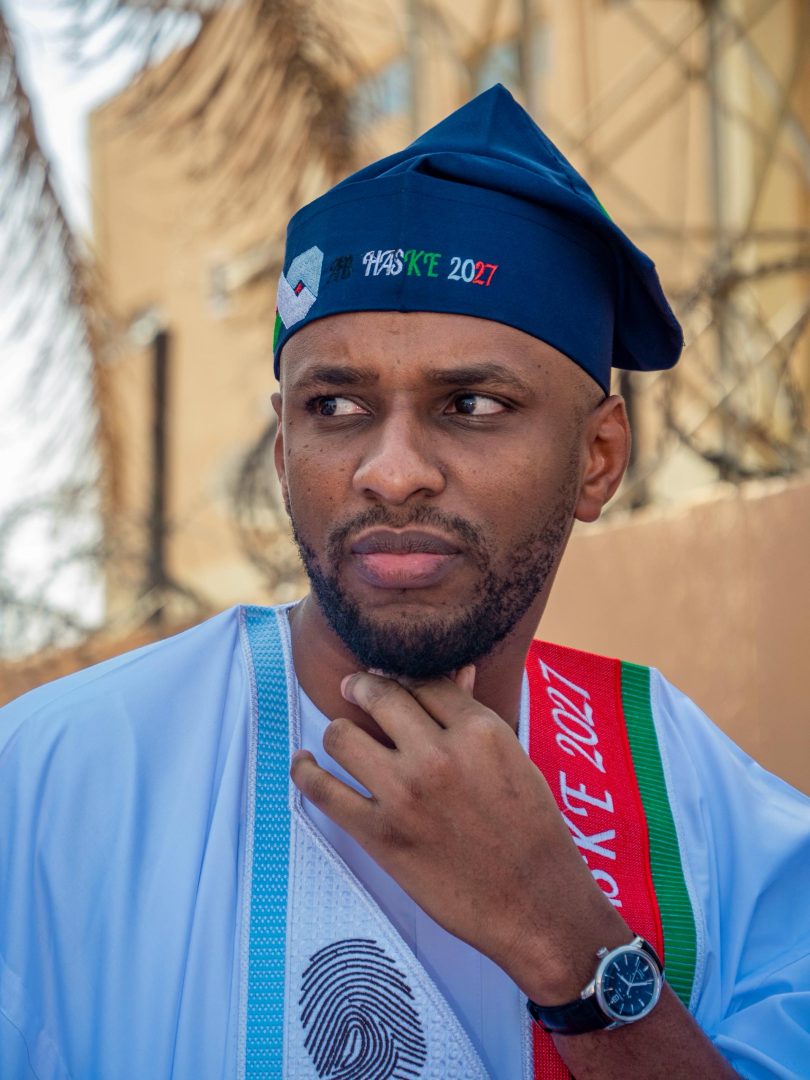
Among those at the forefront of this emerging wave of engagement is APC chieftain Abdulrahman Bashir Haske, whose recent series of high-level consultations have attracted increasing attention within political circles. In the days following the convention, Haske and members of his team commenced a carefully structured round of interactions with prominent party leaders and national figures, reflecting a deliberate effort to reinforce dialogue, deepen trust, and build consensus across key layers of the party’s leadership architecture.
In Nigeria’s political environment, consultations of this nature often serve as a strategic instrument for strengthening alliances, fostering institutional continuity, and aligning political interests ahead of future electoral cycles. For Haske, the engagements appear to be part of a broader effort to connect experience with emerging leadership, while reinforcing the values of party loyalty, collective responsibility, and strategic collaboration within the APC.
As part of the consultations, Haske and his delegation paid courtesy visits to several respected leaders within the party whose contributions continue to shape the APC’s organisational strength and national influence.
Among them was Ali Bukar Dalori, the National Vice Chairman of the APC, widely regarded for his longstanding role in party mobilisation and organisational leadership across Northern Nigeria. Discussions during the meeting focused on sustaining party unity, strengthening grassroots mobilisation structures, and reinforcing the APC’s institutional resilience as Nigeria’s governing political platform.
The consultations also extended to Brigadier General Mohammed Buba Marwa (Rtd.), Chairman of the National Drug Law Enforcement Agency (NDLEA), whose distinguished career in national security, governance, and public administration commands broad respect across Nigeria’s political and institutional landscape. Conversations during the visit touched on leadership responsibility, national stability, and the strategic importance of disciplined governance in strengthening public confidence in democratic institutions.
Further engagements included interactions with Professor Tahir Mamman, Nigeria’s former Minister of Education and a respected scholar whose contributions to policy and institutional reform have shaped national discourse on governance and development. Haske also met with prominent APC stalwart Sadiq Kalu, as well as former senator Abdulaziz Nyako, both widely recognised for their enduring roles in the party’s political structure and their longstanding commitment to the advancement of progressive politics.
Across these engagements, a consistent message emerged — the imperative of unity, sustained dialogue, and collective responsibility in preserving the stability and growth of the APC as Nigeria’s ruling party. Many of the leaders emphasised that the long-term strength of any political institution lies not merely in electoral victories but in the ability of its stakeholders to maintain open channels of communication, mutual respect, and strategic coordination.
Building on the momentum of the initial consultations, Haske and his team expanded the outreach to include another round of meetings with respected elder statesmen and influential voices within the party whose experiences continue to shape political thinking in Adamawa and beyond.
One of such meetings was with Senator Bello Tukur, a veteran politician whose decades of public service include roles as Deputy Governor, Chief of Staff, and Senator of the Federal Republic.
Reflecting on the importance of sustained engagement within political parties, Senator Tukur highlighted the need for consistent interaction among stakeholders as a mechanism for preserving party stability and strengthening internal democratic culture.
Similarly, discussions were held with Martins Babale, former Deputy Governor of Adamawa State, whose extensive experience in governance and political organisation has contributed significantly to political development within the region. Conversations during the meeting centred on evolving political dynamics within the state, as well as the importance of building bridges across different generations of political leadership.
Recognising that sustainable political development must also embrace inclusivity, the consultation process extended to notable female political leaders whose contributions continue to expand women’s participation in governance and public service. Among them were Fatima Balla, Grace Jackson Bent, and Binta Masi Garba, all widely respected figures who have played influential roles in advancing women’s representation within Nigeria’s political landscape.
The consultations further intensified with a particularly significant round of engagements involving respected political figures and elder statesmen in Adamawa State.
Haske and his delegation paid a visit to Barrister Bala James Ngilari, former Governor of Adamawa State, whose experience and insights continue to carry weight in the state’s political discourse. The meeting was described as both insightful and encouraging, with Ngilari expressing strong confidence in the capacity of the younger generation to provide purposeful leadership and advance the development trajectory of Adamawa State. During the visit, Haske also had the honour of meeting Mrs. Hanatu Ngilari, whose grace and admirable public presence have earned her respect across the state.
In continuation of the consultations, Haske also met with Boss Mustapha, former Secretary to the Government of the Federation (SGF), a seasoned administrator and respected statesman whose leadership experience spans decades of public service. Discussions during the meeting focused on leadership development, mentorship, governance strategy, and the importance of strengthening cohesion within the party’s political structure.
The consultation tour also included engagements with Ibrahim Bilal, former APC State Chairman in Adamawa, whose grassroots political influence and organisational experience remain significant within the party. Haske and his team also visited Hon. Anna Sini (Annayo), a widely respected mother figure within the political community, whose encouragement and guidance continue to inspire younger political actors working toward the development of Adamawa State.
During these interactions, participants repeatedly emphasised the need to expand opportunities for women’s participation in leadership and governance. Their perspectives reinforced the broader democratic principle that inclusive political participation strengthens institutions, enriches policy debates, and promotes balanced representation across political structures.
Political observers note that such sustained consultations reflect a deeper understanding of the dynamics of Nigerian party politics, where consensus-building, mentorship, and strategic relationship management often play critical roles in shaping political outcomes.
For many within the APC, the consultations signal an effort to strengthen bridges between established leaders and emerging political actors, while also reinforcing a culture of dialogue that ensures the party remains responsive to evolving political realities.
Taken together, the growing wave of engagements suggests that Haske’s consultations may represent the foundation of a broader consultative framework designed to reinforce relationships across the party’s leadership network while aligning perspectives on the future direction of the APC in Adamawa State and beyond.
In a political landscape as dynamic as Nigeria’s, such proactive engagement is often seen as essential for sustaining party stability, nurturing leadership continuity, and fostering collective ownership of the party’s long-term vision.
As the consultation process continues, further interactions with key stakeholders across national, zonal, and state levels are expected in the coming weeks. These engagements are anticipated to deepen dialogue within the APC while strengthening a shared commitment among party leaders to consolidate unity, advance democratic participation, and collectively shape a stronger future for the party and the people it represents.
At a time when political participation, leadership accountability, and institutional stability remain central to Nigeria’s democratic development, initiatives built on consultation, collaboration, and inclusive dialogue continue to underscore the enduring strength of democratic politics.
Nasiru Chiroma, a public affairs analyst, writes from Abuja.