
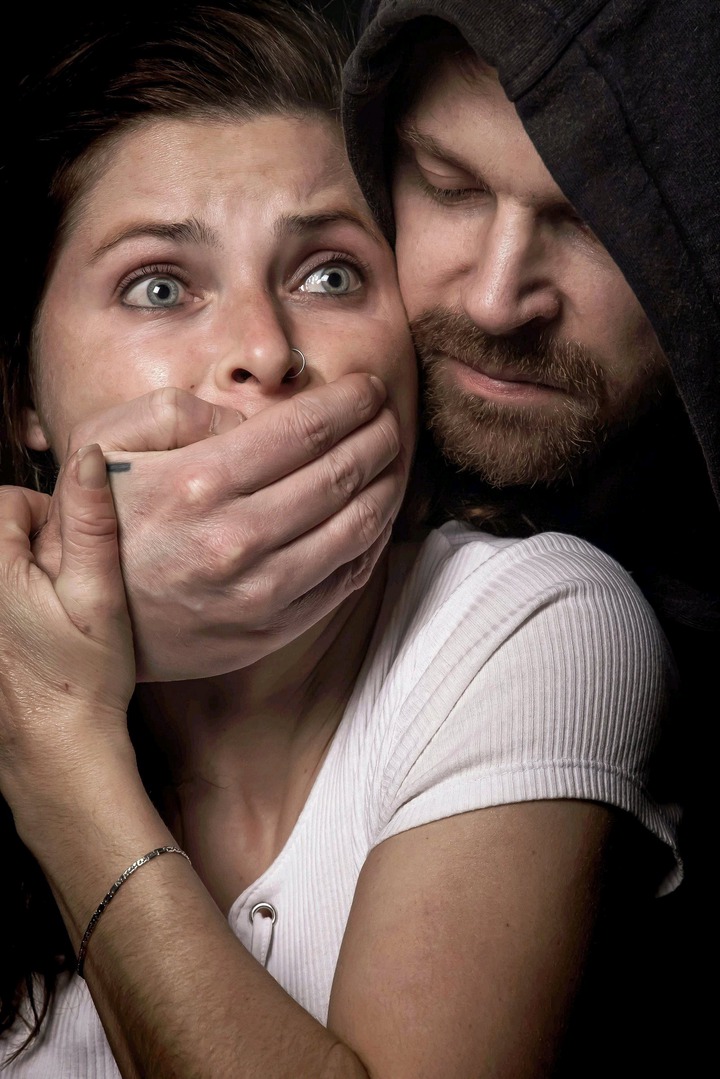
People who were sexually assaulted as children are more likely to wind up in adult relationships in which they will be abused physically, mentally, or sexually. This is especially true if they were sexually abused by a caregiver. In some circumstances, individuals may even resort to violent behavior themselves.
When someone has been sexually assaulted as a child, it might be difficult to comprehend why they would choose to be in a relationship that is abusive in the future. In this article, some of the reasons that children who have been sexually abused grow up to have relationships that are abusive are discussed.
1. It’s a Reassuring Feeling.
The typical sentiments of shame and anger that occur as a result of abusive behavior could become mixed up with sexual impulses, which would confuse the person who is suffering the abuse. This could happen if the link in both abuse and “love” is forged early in childhood.
These sentiments can easily be misunderstood as feelings of love and passion, which can then lead to arousal of the sexual organs. Because it triggers feelings of closeness associated with the abuse that were imprinted on them at an early age, the person may believe that they are attracted to or love their abusive spouse. They may even believe that they have a unique connection to the abuser. As a consequence of this, when they are subjected to emotional abuse in a relationship, they confuse the sensations of despair and anger that are known to them with feelings of love and passion.
2. This is an effort to bring about healing.
A survivor of sexual abuse as a child may feel the need to assert their power in order to undo the damage caused by the assault. It is possible for them to try to replay their connection with their initial abuser by being forced to enter into a relationship with another abuser in the expectation that they would handle the situation differently this time.
In an effort to gain the sense of control they lacked while being abused, a person who has been abused could turn the tables on the other person in the relationship by abusing them in an effort to play the role of the stronger partner. Unfortunately, this strategy does not work, and as a result, the person may find themselves repeatedly dominating others in a fruitless effort to overcome a weakness of their own.
3. They could have feelings of inadequacy.
People who were abused as children may believe, on some level, that they are undeserving of being in a relationship with someone who genuinely cares about them. They may have a tendency to feel subservient to other people, which makes it challenging for them to accept genuine love.
Their abuser may have even succeeded in persuading them that the abuse was something they deserved. This is never the case since no one has the right to expect to be dealt with in an unjust manner.
4. It’s possible that they have an arrogant attitude.
Abused individuals, as counterintuitive as it may sound, might be able to overcome feelings of worthlessness by convincing themselves that they are superior to other people. They could have a hard time treating people on an equal footing. They have the misconception that they are in a stronger position than other people, which makes it challenging for them to enter into relationships that are advantageous to both parties.
They may even assert their superiority over certain individuals while at the same time feeling inferior in comparison to others, engaging in abusive relationships while also being abused by others.
5. The abusive behavior may cause them to have sexual arousal and lead to sexual activity.
The experience of sexual pleasure is a natural part of the human experience and a typical response to sexual intercourse. It is possible for victims to develop a sexual desire for sexually abusive behavior if their first sexual encounters were abusive. This does not indicate that they want to be mistreated, that they have a desire to be abused, or that they like being assaulted to a significant degree, and not all survivors of abuse feel this.
6. This has enraged them greatly.
Abuse can be a method for people who have been abused in the past to act out the animosity they feel for what has occurred to them. People who have been abused in the past may have a tremendous lot of resentment for what has happened to them. Even if a someone is able to force their feelings of annoyance out of their conscious awareness, those feelings may nevertheless surface in their intimate relationships or parenting styles in ways that are either subtle or not so subtle.
7. They are uncomfortable with it.
Abused people may consider sexual relations as risky and react by rejecting or being hostile towards partners or suitors if they believe as though abuse and hurt are unavoidable. Abused persons may view sexual relations as dangerous. People who were mistreated as children may have developed an avoidant attachment style as a result of their experiences. It is possible that this will drive them to avoid building deep relationships as adults, which can lead to actions such as pushing others away or reacting angrily to attempts at getting closer to them.
There are many different things that can play a role in perpetuating the cycle of violence. Those who suffered sexual abuse as children may have trouble telling the difference between love and abuse. Additionally, they could have issues with rage, trust, lack of control, and feelings of inadequacy. It is essential to bear in mind that no two people are exactly same, and just because someone has been sexually assaulted does not mean they will suffer the same outcomes.
... 7 Reasons Why Sexually Abused Children End Up In Abusive Relationships As Adults ... Sportify Post.