
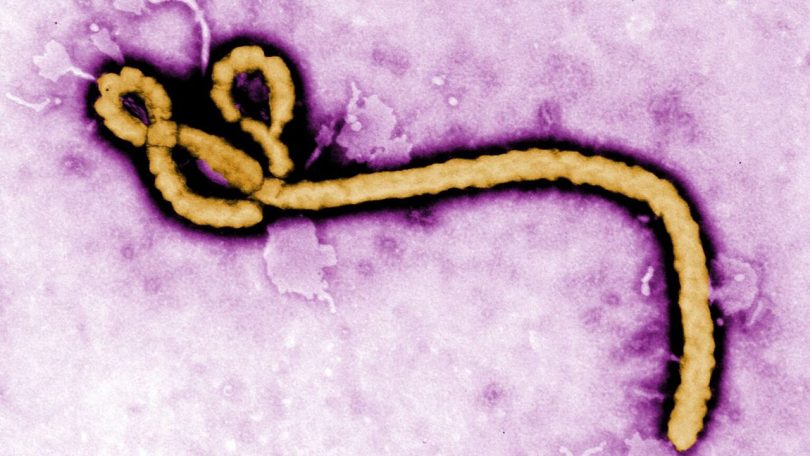
As health concerns grow over the renewed spread of Ebola Virus Disease in parts of Africa, medical experts have cautioned Nigerians against eating bush meat, warning that infected wild animals could serve as a source of transmission to humans.
The physicians explained that Ebola is a highly contagious viral disease that can spread from animals to humans through direct contact with the blood, organs, or body fluids of infected wildlife, including bats, monkeys, and other bush animals.
According to them, activities such as hunting, handling, processing, and eating poorly prepared bush meat remain major risk factors for the transmission of the deadly disease.
The experts spoke while reacting to the latest Ebola outbreaks reported in the Democratic Republic of Congo and Uganda.
The World Health Organisation had earlier declared the outbreaks in the DRC and Uganda a Public Health Emergency of International Concern after a rare strain of the virus, which currently has no approved vaccine or specific treatment, began spreading.
WHO said the outbreak in eastern Congo’s Ituri Province has resulted in eight laboratory-confirmed cases, 246 suspected cases, and 80 suspected deaths.
Uganda also recorded two confirmed cases, including one fatality, involving persons who recently travelled from the Democratic Republic of Congo.
Although Nigeria has not recorded any confirmed case, the Director-General of the Nigeria Centre for Disease Control and Prevention, Dr. Jide Idris, said surveillance and preparedness efforts had been intensified nationwide.
He stated that the NCDC was monitoring developments in both countries closely because of increased movement across African borders and was collaborating with agencies such as the Port Health Services under the Federal Ministry of Health and Social Welfare to strengthen Nigeria’s preparedness.
According to the WHO, Ebola is a severe and often deadly illness that affects humans and other primates.
The virus exists in five species — Bundibugyo, Zaire, Reston, Tai Forest, and Sudan. The Zaire strain caused the deadly West African outbreak between 2014 and 2016, while the Sudan strain is linked to the current outbreak in Uganda.
Nigeria previously battled Ebola in 2014 after an infected Liberian-American, Patrick Sawyer, entered the country.
One of the doctors who first attended to him, the Lead Consultant Physician and Endocrinologist at First Consultants Medical Centre, Ikoyi, Dr. Ameyo Adadevoh, later died from the disease after helping to stop its spread in Nigeria.
Bush meat remains commonly consumed in many rural communities and some urban areas across the country.
Speaking on ways to prevent infection, a Professor of Public Health at the University of Ilorin, Kwara State, Tanimola Akande, advised Nigerians to stay away from bush meat during Ebola outbreaks.
“Ebola is a zoonotic infection. It is well known that transmission can be through the consumption of bush meat. It is therefore advisable to stop consumption of bush meat during outbreaks of Ebola as a preventive measure,” he said.
Akande described bush meat as one of the reservoirs of the Ebola virus.
“Its (bush meat) consumption can trigger the initial transmission of the virus from animal to man. Subsequently, there will be human-to-human transmission of the virus,” he said.